Avoid these 8 foods when dealing with Crohn’s disease

Avoid these 8 foods when dealing with Crohn’s disease

Crohn’s disease is a type of inflammatory bowel disease (IBD) that can lead to inflammation of the digestive tract along with other complications. Foods to add and avoid differ for each person, based on what triggers their symptoms. As symptoms can lead to repercussions like malnutrition, it is necessary to prevent extreme nutrient deprivation by making better choices. So here are some common foods that can trigger Crohn’s disease symptoms: Dairy and dairy products Those who are lactose intolerant must avoid dairy and dairy products. Lactose intolerance involves the improper or incomplete absorption of lactose—a kind of sugar found in milk, cheese, and other dairy products. It can lead to bloating, diarrhea, and gas, worsening the symptoms of IBDs. These products, however, contain important nutrients such as vitamin D, calcium, and protein, so it is important to substitute them adequately. These nutrients can be found in green leafy vegetables, fortified juices, or supplements. Spicy foods Spicy foods can aggravate symptoms like pain, especially during Crohn’s flare-ups. So, one should limit spices like allspice, black pepper, cayenne powder, chili powder, jalapenos, garlic, paprika, and wasabi, as they can act as irritants in the digestive tract. Instead, one can add flavor to their food using turmeric, ginger, cumin, lemon peels, fresh herbs, mustard, and chives (or green onions).
Read More

8 foods to be avoided when diagnosed with hyperkalemia

8 foods to be avoided when diagnosed with hyperkalemia

Hyperkalemia is a condition characterized by excessive potassium levels in the blood, typically caused by kidney disease or over-consumption of potassium-rich foods. Although potassium is an essential nutrient, excessive potassium can lead to several negative consequences, including chest pain, weakened muscles, nausea, irregular heartbeat, and shortness of breath. Alongside proper therapy, a healthy lifestyle and carefully curated meals can help alleviate hyperkalemia effects. Look at some foods that are a no-no for individuals with hyperkalemia. Potassium-rich fruits Several fruits contain high potassium levels, with bananas containing the highest potassium content. An average banana has about 450 mg of potassium; thus, consuming one banana every day can contribute to hyperkalemia symptoms in individuals suffering from the condition. Other high-potassium fruits include avocados, papayas, apricots, oranges, cantaloupes, and mangoes. It helps to replace high-potassium fruits with those low in potassium, such as apples, raspberries, blueberries, red grapes, and pineapples. Potatoes Potatoes are rich sources of potassium, mainly when consumed with the skin. A medium baked potato contains 941 mg of potassium, which can be generally nutritious but unhealthy for individuals diagnosed with hyperkalemia. Sweet potatoes also contain almost equal potassium concentrations, with one sweet potato consisting of 700 mg of the nutrient.
Read More
Multiple sclerosis – Foods to avoid for managing the condition

Multiple sclerosis – Foods to avoid for managing the condition

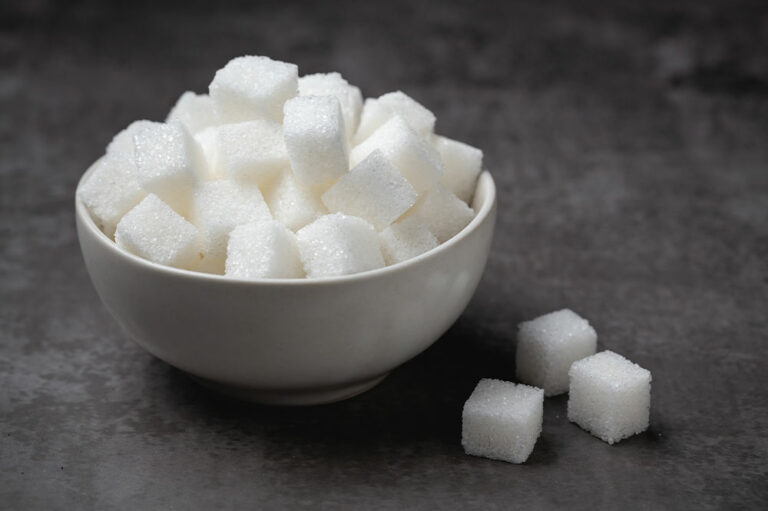
Multiple sclerosis is an autoimmune condition that affects the body’s CNS or central nervous system. It destroys the myelin sheath (covering of the nerve cells), which impacts the communication pathway between the brain and the body. Some symptoms include loss of bladder control, fatigue, vision problems, pain, and problems related to bowel movements. The condition does not yet have a cure. Its management involves a combination of treatment, food habits, and a healthy lifestyle. Saturated fats Foods rich in saturated fats have often been labeled bad for patients with various health conditions, including multiple sclerosis. They increase the levels of low-density lipoprotein (bad cholesterol) in the body, which raises the risk of heart attack, stroke, and atherosclerosis. A few common sources of saturated fats in daily meals include processed meat, red meat, butter, and cheese. It is highly advisable for patients with this condition to either avoid or cut down on these. Sugar Many are ignorant of the ill effects of excess sugar intake. Some of these harmful effects include increased inflammation in the body and lethargy. These, combined with decreased physical activity, can cause frequent flare-ups in patients. Therefore, to avoid worsening symptoms, one must avoid foods rich in refined sugars like soft drinks, candy, and chocolate bars.
Read More
Avoid these 6 common mistakes to prevent skin diseases

Avoid these 6 common mistakes to prevent skin diseases

Skin diseases are conditions that affect our skin. They cause rashes, inflammation, irritation, and itchiness, affect your complexion, and lead to other changes in the skin. Some skin diseases can be genetic in nature, while others may result from lifestyle and environmental factors. There are many treatment options to tackle various skin conditions and their symptoms. But, you can always support the treatment by avoiding certain things. Read on to learn more. High intake of deep-fried foods Deep-fried foods taste incredible, and there is no denying that. But, these foods can take a toll on your skin, especially if you have a skin disease. Oily foods like fish and chips, chicken croquettes, and patties can increase the production of oil in the skin, which can change your complexion and lead to acne breakouts, irritation, and even allergies in worse cases. Also, hydrogenated fats are found in deep-fried foods. You can instead try healthier options like baked foods. Not adding enough healthy fats to the meals One of the most common mistakes many individuals make when tackling skin diseases and improving skin health is ignoring the right foods. Remember that not all fats present in foods are bad for you. Some are, in fact, necessary to build your immune system and maintain your overall health.
Read More
Crohn’s disease – 5 food types to avoid

Crohn’s disease – 5 food types to avoid

Crohn’s disease is an illness in which the tissues inside the digestive tract swell up, which leads to complications like abdominal pain, severe diarrhea, malnutrition, fatigue, and weight loss. Such an inflammatory bowel disease needs significant management to avoid flare-ups in the digestive tract. One of the important factors in dealing with Crohn’s disease is nutrition. Herein, we’ve listed five food groups one needs to avoid to help manage symptoms. Grains Frains are generally crucial for a healthy stomach, But for those with Crohn’s disease, it is advised to limit or avoid eating grains. The insoluble fiber in grains passes through the digestive tract and can trigger diarrhea or abdominal pain in those with Crohn’s disease. Grains also include gluten, which can cause a reaction along with the fermentable carbohydrates in this food source. Avoid grains like whole wheat, rye, barley, and any products made from these, including bread or pasta. Choose alternatives like rice, gluten-free bread, cornmeal, and polenta. Red meat Studies have shown that it is harder to digest red meat and hence should be avoided to minimize inflammation or pain in the abdomen. Avoiding red meat, sausages, and dark meat poultry can help manage the symptoms. Researchers suggest that leaner meat and types of meat with beneficial fats, like in bison or elk, should be considered over inflammatory fats.
Read More
Avoid these four foods to manage multiple sclerosis

Avoid these four foods to manage multiple sclerosis

Multiple sclerosis is a potentially disabling condition of the brain and spinal cord, wherein the immune system attacks the protective sheath that covers the nerve fibers. This issue causes communication problems between the brain and other body parts, leading to permanent damage or deterioration of the nerves. Signs and symptoms of multiple sclerosis differ from one person to another over the course of the disease and the location of the affected nerve fibers. Symptoms There are quite a few common signs of multiple sclerosis, some of them include Numbness or weakness in the limbs Shocking sensations with certain neck movements Tremors and unsteady gait Partial or complete loss of vision Prolonged double vision Blurry vision Slurred speech Fatigue Dizziness Tingling or pain in some parts of the body Risk factors The following factors are known to have quite a major role as far as the development of multiple sclerosis is concerned: Age Such a condition can occur at any age, but the onset usually begins between the ages of 20 and 40. Gender Women are more likely to develop relapsing-remitting multiple sclerosis compared to men. Family history Those with an immediate relative who has such a condition have a much higher chance of being diagnosed too.
Read More

Read Also

Know more about exciting & latest articles right here

Top 4 reasons for unnatural hair loss patterns

Top 4 reasons for unnatural hair loss patterns

Hair loss is a natural process that automatically gets rid of old tissue and hair to promote new growth. So don’t be alarmed when you do find a few strands of hair tangled in your comb. However, a clearly visible scalp and a receding hairline are indicative of developing the problem of permanent hair loss. There are several internal and external factors that can accelerate hair fall, leading to pattern baldness in both men and women. Here are the top four reasons that trigger unnatural hair fall. Stress Stress ranks among the top risk factors associated with many medical conditions. In fact, one way or the other, taking physical or psychological stress harms the body more than you can imagine. For hair loss, especially, excessive shedding starts right after the body undergoes physical or psychological distress. A few examples include experiencing high fever, blood loss due to accident or injury, or even post-surgery recovery can result in stress that causes hair loss. Stress, coupled with anxiety, results in accelerated hair loss. To cope with this problem and reduce its effects, stress management is of crucial importance. Hormonal changes Men and women both experience hormonal changes throughout their lifetime. However, an imbalance associated with various conditions can trigger hair loss.
Read More
Learn about these 3 types of hearing loss

Learn about these 3 types of hearing loss

Hearing loss, deafness, or impairment is the partial or total inability to hear sounds. People with low to moderate hearing impairment face challenges in understanding what the other person is saying in a noisy environment. Whereas, people with severe deafness cannot hear anything, and rely completely on lip-reading and sign language skills. There are three main types of hearing loss: sensorineural, conductive, and a combination of both. Let’s understand these types in detail and learn about the causes, symptoms, and treatments of each type. Sensorineural hearing loss It’s the most common type of hearing loss. Sensorineural is permanent hearing loss often caused by damage to the tiny hair cells that line the inner ear or the auditory nerve. The damage stops or weakens the transfers of nerve signals to the brain. These signals are essentially the intensity and clarity of sounds. Causes: Aging and exposure to loud noises for a long period of time are the most common cause of the damage. Certain medications and illnesses can also increase risks. It can even be genetic, and pass on to the child in the mother’s womb. Treatment: There is no medical or surgical treatment available to repair the tiny hair cells once they’re damaged.
Read More
Simple lifestyle changes that reduce the risk of heart diseases

Simple lifestyle changes that reduce the risk of heart diseases

The heart is the most crucial organ in the body and as the system will cease to function if the heart stops or loses momentum pumping fresh oxygenated blood. This is why it is vital to not neglect your heart health at all and responsibly maintain a healthy, stress-free, and more importantly, a happy lifestyle. Here are a few simple lifestyle changes that will help support a healthy heart function. Switch to a healthy diet Avoid eating foods that are rich in trans and saturated fats. Most foods you find on the shelves of the supermarket contain large quantities of one or the other. Instead, switch to low-fat high fiber alternatives to help manage cholesterol. Maintaining a healthy cholesterol level in the body automatically reduces the risk of heart diseases. The simple reason for this is that fats that normally block major arteries and blood vessels are eliminated from these foods choices. It is also advisable to limit the salt (sodium) intake to control blood pressure and sugar to reduce the risk of diabetes simultaneously. Change certain lifestyle habits Reduce the number of alcoholic or carbonated drinks you have regularly. For men, it is advisable to have not more than two drinks and day and women must have only one.
Read More
How to distinguish between heartburn and GERD

How to distinguish between heartburn and GERD

Heartburn is an unpleasant, burning sensation in the chest that is more common than a lot of individuals realize. Pregnant women, older men, and even young adults experience it frequently. Despite it being such a prevalent experience, not many know that heartburn has actually nothing to do with the heart and everything to do with the stomach and the esophagus. Unsurprisingly enough, heartburn is also used interchangeably with GERD. But, before we get to deciphering heartburn and GERD, let’s understand what acid reflux is. What is acid reflux or GER? Acid reflux occurs when the lower esophageal sphincter or LES becomes weak, allowing the contents of the stomach to travel in the wrong direction, back up the esophagus. Acid reflux is also called GER or gastroesophageal reflux as it involves the stomach and esophagus. This condition can usually be resolved with over-the-counter medication. What is heartburn? Heartburn is a burning or painful sensation that is experienced in the chest. Since the lining of the esophagus is not as strong as the lining of the stomach, the acid from the stomach can cause a burning sensation in the chest. This pain or burning sensation that is heartburn can often be misconstrued for a heart attack.
Read More