

Key Takeaways
Summary
22 items · 30–60 minutes
Why a Monthly Reset Matters
Most budgets fail not because the numbers are wrong but because they go stale. Life shifts — a utility bill climbs, overtime disappears, a subscription renews — and a budget frozen in January becomes fiction by March. A monthly reset treats your budget as a living document rather than a one-time exercise.
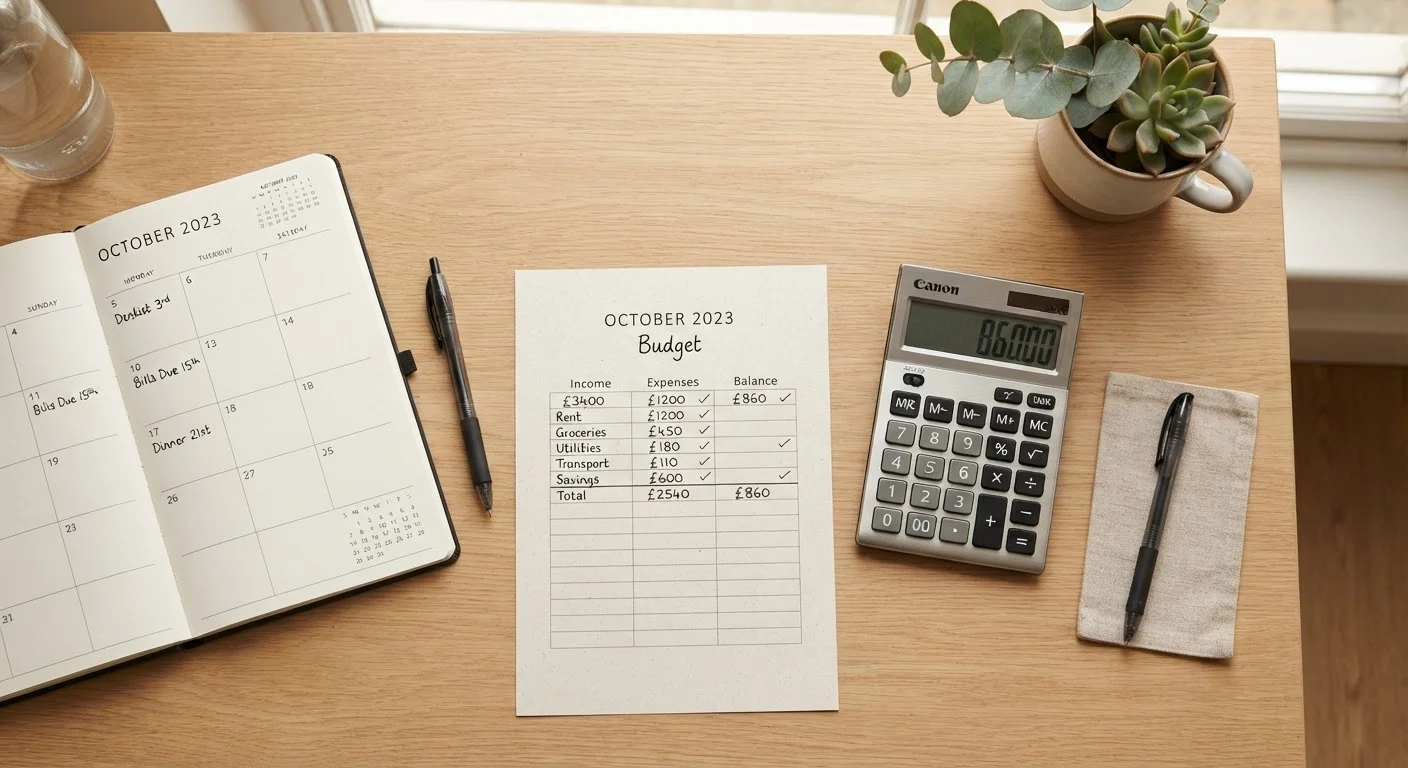
Think of this checklist as a brief end-of-month debrief and beginning-of-month planning session rolled into one. It typically takes 30 to 60 minutes, and doing it consistently is one of the core everyday money moves that separates households that reach their goals from those that perpetually plan to start next month.
This article is for general informational purposes only and does not constitute personalized financial advice. For guidance specific to your situation, consider speaking with a licensed financial professional.
Zero-Out Your Budget Every Month
Every dollar of expected income should be assigned a purpose before the month begins — savings, fixed bills, variable spending, or debt payments. If money is left unassigned, it tends to disappear without a clear record of where it went. This practice, sometimes called zero-based budgeting, makes intentional choices visible and reduces end-of-month surprises.
What You'll Need Before You Start
Gather these items before working through the checklist so you're not pausing mid-session to hunt things down.
Bank and credit card statements
Needed to review last month's actual transactions and confirm every charge.
Budgeting spreadsheet or app
Used to record category totals, compare plan versus actual, and set next month's targets.
Pay stubs or income records
Confirms exact take-home amounts so your income figure is accurate, not estimated.
List of recurring subscriptions
Helps you spot charges you may have forgotten and decide what to keep or cancel.
Savings and debt account balances
Gives you a current snapshot to set realistic payoff and savings targets for the coming month.
The Monthly Budget Reset Checklist
Work through each group in order. The close-out steps (looking backward) inform the setup steps (looking forward), so sequence matters.
Close Out Last Month
Review Income for the Coming Month
Adjust Spending Categories
Set Savings and Debt Targets
Final Review and Commit
Don't Copy Last Month's Budget Blindly
Rolling over the same category amounts without reviewing actual spending is one of the most common budgeting mistakes. If you consistently overspend a category, the budget needs to reflect reality — not the ideal. Adjust the number and address the root cause separately rather than leaving an amount that sets you up to feel like you've failed every month.
Connecting Your Monthly Reset to Bigger Goals
A monthly reset is most powerful when it feeds into a longer-term financial picture. As you complete each cycle, patterns emerge: maybe you consistently overspend on dining out, or your grocery budget always has room to spare. Use those patterns to make smarter annual decisions.
For a deeper look at your savings rate, emergency fund adequacy, and overall debt load, the annual savings health check is a useful complement to run at least once a year. And if you want your monthly record-keeping to reduce stress at tax time, see how year-round financial habits can make that easier. Both practices sit within the broader Saving & Debt framework that supports long-term financial health.
This article is for general informational and educational purposes only. It does not constitute personalized financial, tax, or legal advice. Individual financial circumstances vary — consult a qualified financial professional before making decisions specific to your situation.