

Key Takeaways
Why Routine Wellness Exams Matter
A wellness exam is not just a box to check — it's one of the most effective tools in preventive pet care. Pets age faster than humans and often mask signs of discomfort instinctively, meaning conditions like dental disease, early kidney changes, or heart murmurs can develop quietly. Regular exams give a licensed veterinarian the chance to establish what's normal for your individual animal and catch deviations early, when options are typically broader.
Think of it like scheduled maintenance — the kind of proactive attention that prevents larger problems down the road. If you're a first-time owner, the larger picture of preventive pet care is covered in our comprehensive first-time owner guide.
Arrive Prepared for a Smoother Visit
Bring a written list of any behavioral changes, appetite shifts, or symptoms you've noticed at home — even if they seem minor. A urine or stool sample (if recently produced) can also be valuable. The more context you provide, the more productive the exam becomes for both you and your vet.
Being an informed participant — knowing what to bring, what's being checked, and what to ask — makes every visit more productive for you and your pet.
What to Expect, Step by Step
What you will need
Pet carrier or leash
Safely transports your pet to and within the clinic environment.
Medical records or vaccination history
Gives the veterinary team a complete picture of your pet's prior care and immunizations.
Written question list
Ensures you don't forget concerns raised at home once you're in the exam room.
Fecal or urine sample
Used for parasite screening and urinalysis if requested by your veterinarian.
Familiar blanket or toy
Helps anxious pets feel more comfortable in an unfamiliar clinical setting.
Check In at Reception
Arrive a few minutes early so your pet can settle. At the front desk, you'll confirm your appointment, provide or update contact details, and share any paperwork such as vaccine records. Staff may ask about the primary reason for your visit — be specific. If this is a first-time visit, review our new pet arrival checklist for what to prepare in advance.
Weigh-In and Vital Signs
A veterinary technician will typically weigh your pet and record baseline vitals — heart rate, respiratory rate, and temperature. Weight trends over time are clinically meaningful; gradual gain or loss can signal metabolic, dental, or digestive concerns before other symptoms appear.
Health History Review
Before the veterinarian enters, the technician will ask about your pet's diet, activity level, bathroom habits, and any changes you've observed since the last visit. Answer as specifically as possible — vague responses make patterns harder to identify. This is also the moment to mention any supplements or medications your pet currently takes.
The Head-to-Tail Physical Exam
The veterinarian will conduct a systematic physical examination, typically moving from the head down to the tail. This includes:
- Eyes and ears: Checking for discharge, redness, cloudiness, or signs of infection
- Mouth and teeth: Assessing dental health, gum color, and signs of periodontal disease
- Lymph nodes: Palpating for swelling that could indicate inflammation or infection
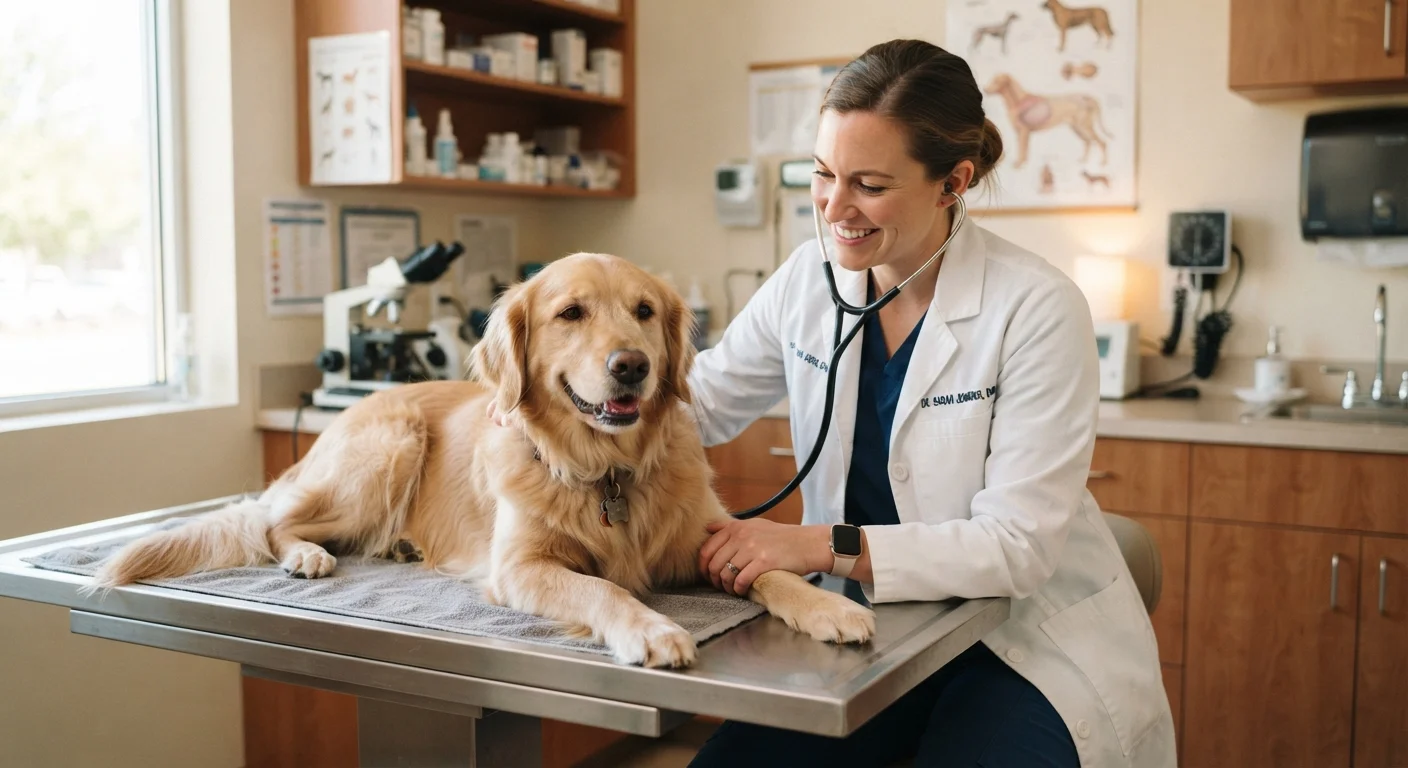
- Heart and lungs: Listening with a stethoscope for murmurs, irregular rhythms, or respiratory abnormalities
- Abdomen: Gently palpating to assess organ size and detect discomfort
- Skin and coat: Examining for parasites, lumps, dryness, or hair loss
- Musculoskeletal: Assessing gait, joint flexibility, and muscle tone
This exam takes only a few minutes but covers a remarkable amount of ground. You can follow up on findings in real time — don't hesitate to ask what the vet is doing or why.
Discuss Vaccinations and Preventives
Based on your pet's age, lifestyle, and risk factors, the veterinarian will recommend which vaccines are due. Core vaccines protect against serious, widespread diseases, while non-core vaccines are tailored to your pet's environment and habits. For a detailed breakdown of what vaccines typically protect against and how schedules work, see our guide on pet vaccination schedules. Your vet will also discuss flea, tick, and heartworm preventives appropriate for your region.
Ask Your Questions
Before the visit wraps up, pull out your written question list. Common topics pet owners bring up include diet adjustments, weight management, dental cleanings, behavioral concerns, and senior care considerations. No question is too small — the exam room is the right place for all of them.
Review the Discharge Summary and Schedule the Next Visit
At checkout, staff will typically provide a written summary of findings, any recommendations, and details for any prescribed treatments. Review it before you leave. Confirm when the next wellness exam is due — annual for most adult pets, every six months for seniors or pets with ongoing health monitoring needs. Store the summary with your pet's records at home.
This Is General Education, Not Medical Advice
This article explains what typically happens during a routine veterinary wellness exam for educational purposes. It is not a substitute for professional veterinary guidance. Always consult your licensed veterinarian about your specific pet's health needs, symptoms, or concerns.
Never Skip Signs of Sudden Illness
If your pet shows sudden changes — difficulty breathing, collapse, seizure, suspected poisoning, or severe pain — do not wait for a scheduled appointment. Contact an emergency veterinary clinic immediately. Wellness visits are for preventive care, not emergencies.
At-home habits also reinforce what happens in the clinic. Routine grooming — including ear checks, nail care, and coat brushing — keeps you attuned to your pet's baseline between visits. Our at-home grooming guide walks through how to do this calmly and safely.
This article is for general informational and educational purposes only. It is not a substitute for professional veterinary advice, diagnosis, or treatment. Always consult a licensed veterinarian for guidance specific to your pet's health.