

Key Takeaways
Why Sleep Is a Household Problem, Not Just an Individual One
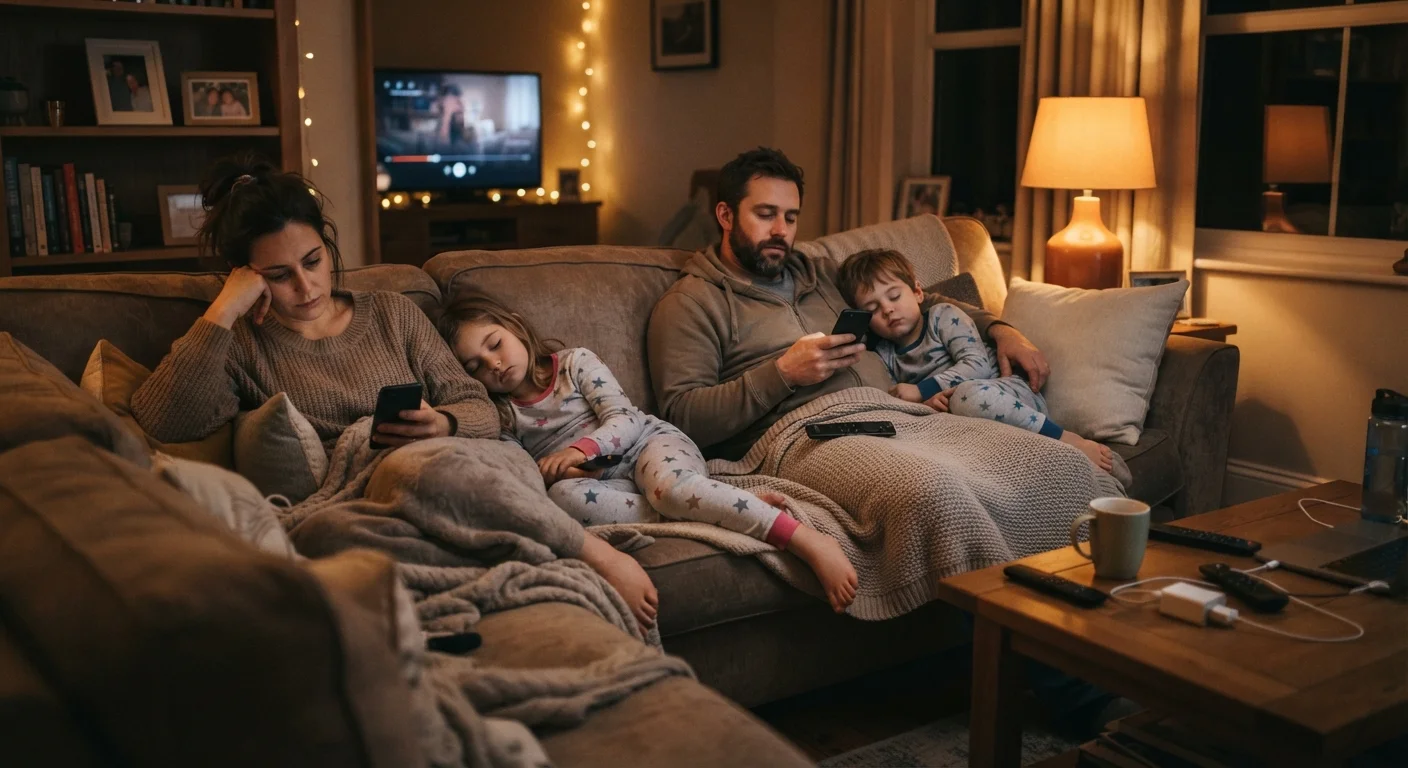
Most sleep advice is written for individuals: adjust your schedule, cut back on caffeine, buy a better pillow. But in a family home, sleep rarely happens in isolation. One person's late-night television habit keeps a partner awake. A child who can't fall asleep without a parent nearby delays an adult's own rest by an hour. A teenager who sleeps until noon on Sundays disrupts the rhythm of the whole household come Monday morning.
Understanding sleep as a shared system — one that family routines deeply influence — is the first step toward actually improving it. When you try to fix sleep habits in isolation, you're often working against invisible household forces pulling in the other direction.
The mistakes below are among the most common ways families unintentionally undermine each other's rest — and, importantly, how to start correcting them together.
Common Sleep Mistakes Households Make — And How to Fix Them
These patterns show up across households of all shapes and sizes. Some feel unavoidable; most are more changeable than families expect.
Keeping inconsistent sleep and wake times across the week, including dramatically different weekend schedules.
Why it happens: Weekends feel like a natural opportunity to 'catch up' on sleep, and no one wants to set an alarm on Saturday. This pattern — sometimes called social jet lag — disrupts the body's internal clock for everyone in the home.
Allowing screens — phones, tablets, TVs — in bedrooms right up until lights-out.
Why it happens: Screens are deeply woven into evening relaxation habits for both adults and children. The bedroom is where many people unwind with streaming or scrolling, making it feel like a natural pairing with sleep.
Treating the bedroom as a multi-purpose room for work, meals, arguments, and entertainment.
Why it happens: Space is limited in many American homes, and the bedroom doubles as an office, homework zone, or TV room by necessity or convenience.
Letting one family member's late schedule pull everyone else off their sleep rhythm.
Why it happens: When a parent works late, a teenager stays up, or a partner has insomnia, household noise, lights, and activity naturally shift — affecting others who need to sleep earlier.
Skipping a consistent wind-down period before bed, going from full activity to lights-out without transition.
Why it happens: Busy family schedules often run right up until bedtime — finishing homework, cleaning up dinner, answering messages — leaving no buffer for the nervous system to shift gears.
Ignoring how pets in the bed or bedroom affect human sleep quality.
Why it happens: Many families welcome pets into the sleeping space without considering the sleep disruption that nighttime movement, sounds, and warmth can cause — especially for light sleepers.
Sleep Issues Can Signal a Medical Problem
Persistent difficulty falling or staying asleep, loud snoring, or daytime exhaustion despite adequate time in bed can be signs of underlying conditions such as sleep apnea. These symptoms warrant a conversation with a qualified healthcare provider — not just a routine change. Don't rely solely on habit adjustments if sleep problems are severe or ongoing.
It's also worth noting that poor sleep ripples outward in ways beyond tiredness. The relationship between sleep and mood is stronger than most people realize, and chronic disruption in one family member can affect the emotional climate of the whole home.
Making Changes That Actually Stick
Overhauling sleep habits household-wide can feel overwhelming — especially if different family members have very different schedules, ages, and needs. A few principles tend to help:
1 in 3
U.S. adults not getting enough sleep
According to the CDC, about one-third of American adults regularly sleep less than the recommended seven hours per night.
~58%
Teens sleeping less than recommended
The American Academy of Sleep Medicine has reported that a majority of U.S. teenagers do not get the 8–10 hours of sleep recommended for their age group on school nights.
- Start with the environment, not willpower. Moving the TV out of the bedroom or establishing a device-charging station in the hallway removes friction from the equation.
- Frame it as a family project. Kids and teenagers are more likely to cooperate with sleep norms they helped shape. Even young children respond well to consistent, predictable routines.
- Expect gradual progress. Circadian rhythms adjust slowly. A two-week trial of a new schedule gives more useful information than a few nights.
A calmer evening at home also sets the stage for a better morning. If chaotic bedtimes are part of the pattern, our guide to building a morning routine can help close the loop. And for a broader view of household health habits worth anchoring to the calendar, annual family health habits offers a useful starting point.
This article is for general informational purposes only and does not constitute medical advice. If you or a family member are experiencing persistent sleep difficulties, please consult a qualified healthcare provider.