

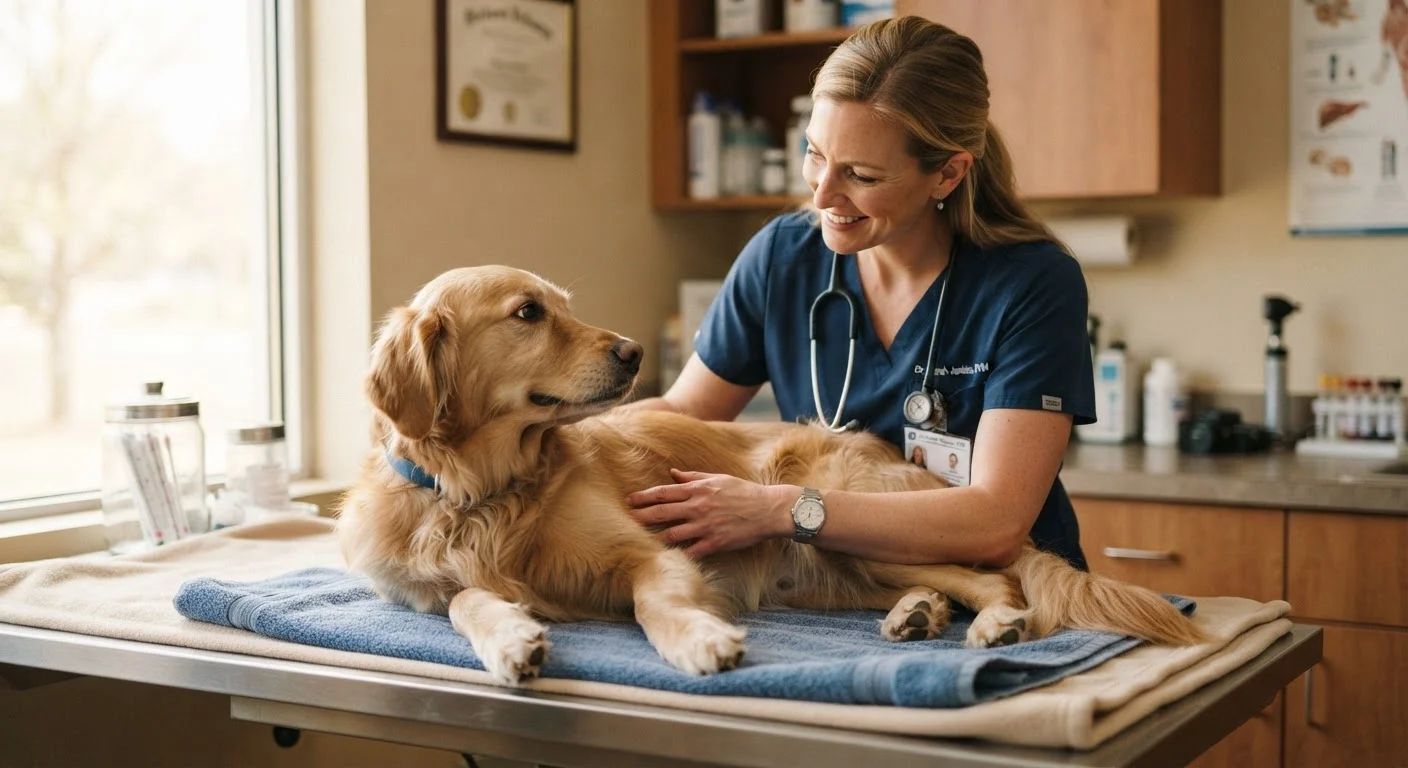
Why Vaccines Matter for Your Pet
Vaccines train your pet's immune system to recognize and fight specific pathogens — before a real infection ever strikes. For dogs and cats, vaccination is one of the most cost-effective ways to prevent serious, sometimes fatal, diseases that spread easily in parks, shelters, and even your own backyard.
If you're just getting started with a new pet, vaccination is one of the first pillars of care to understand. Our first-time owner guide covers the broader picture, including feeding, training, and early vet visits.
This article is general educational information about pet vaccines, not a substitute for professional veterinary advice. Always work with a licensed veterinarian to determine the right vaccination plan for your individual pet.
Core Vaccines: Dogs vs. Cats
Veterinary organizations, including the American Animal Hospital Association (AAHA) and the American Association of Feline Practitioners (AAFP), distinguish between core vaccines — recommended for virtually all pets — and non-core vaccines given based on lifestyle and risk.
Core Dog Vaccines
- Rabies: Legally required in most U.S. states. Protects against a fatal neurological virus transmissible to humans.
- DA2PP (Distemper, Adenovirus, Parvovirus, Parainfluenza): Often called the "distemper combo," this combination shot protects against four serious diseases. Parvovirus, in particular, is highly contagious and can be deadly in puppies.
Core Cat Vaccines
- Rabies: Recommended for all cats, including indoor-only cats, and legally required in many states.
- FVRCP (Feline Viral Rhinotracheitis, Calicivirus, Panleukopenia): Protects against two common upper respiratory pathogens and feline panleukopenia, a severe and often fatal disease in unvaccinated cats.
Core vaccine
A vaccine recommended for all pets of a given species, regardless of lifestyle, because the disease it prevents is widespread, severe, or transmissible to humans.
Non-core vaccine
A vaccine given selectively based on a pet's individual risk factors, such as geographic location, outdoor access, or exposure to other animals.
Booster
A follow-up dose of a vaccine given after the initial series to maintain or renew immune protection over time.
Maternal antibodies
Protective proteins passed from a mother to her offspring through milk. They can temporarily block a young animal's response to vaccines, which is why a series of shots is needed.
Titer test
A blood test that measures the level of antibodies against a specific disease, sometimes used to assess whether a pet still has protective immunity without administering another booster.
Common Non-Core Vaccines
Non-core options for dogs include Bordetella (kennel cough), Leptospirosis, Lyme disease, and Canine Influenza. For cats, Feline Leukemia Virus (FeLV) is strongly recommended for cats with any outdoor access. Your vet will assess which apply based on your pet's environment and habits.
How Vaccination Schedules Typically Work
Schedules vary by species, age, vaccine type, and your veterinarian's clinical judgment. The following represents a general framework — your vet's protocol may differ based on your pet's individual needs.
Puppies and Kittens
Young animals receive a series of vaccines starting around 6–8 weeks of age, with boosters given every 3–4 weeks until they are approximately 16 weeks old. This series is necessary because maternal antibodies — passed through a mother's milk — can interfere with vaccine effectiveness early in life. By completing the full series, you ensure your pet develops reliable protection.
Adults and Boosters
After the initial puppy or kitten series, most core vaccines require a booster at one year. After that, many can shift to a 3-year cycle, though this depends on the specific vaccine and local regulations. Rabies schedules, for example, are often governed by state and municipal law.
When Your Pet Misses a Booster
If your pet's vaccinations have lapsed, don't assume they need to restart the entire series from scratch. In many cases, a single catch-up dose is sufficient, but this depends on how long immunity has been lapsed and the specific vaccine. Your veterinarian can review your pet's records and recommend the most appropriate path forward.
Staying consistent with booster schedules matters. Immunity from vaccines can wane over time, and lapses in protection — especially for diseases like Parvovirus or Panleukopenia — can leave pets vulnerable. Also consider that parasites pose overlapping risks; see our piece on common parasite prevention misconceptions for related guidance.
Talking to Your Vet and Tracking Records
No online reference can replace a conversation with your veterinarian, who can factor in your pet's age, health history, local disease prevalence, and lifestyle. When you visit, bring any existing vaccination records so your vet can avoid unnecessary repeat doses and keep the schedule on track.
Keep a dedicated folder — physical or digital — for your pet's health documents. Many boarding facilities, groomers, and training programs require proof of current vaccines. Pairing a solid grooming and vet care routine is part of building a well-rounded wellness habit; see our guide to building a grooming routine for tips on making those regular care moments feel easier for both of you.
~6–8 weeks
Age when puppy and kitten vaccine series typically begins
According to AAHA and AAFP vaccination guidelines for young animals.
3-year cycles
Booster interval for many adult core vaccines
After the one-year booster, many core vaccines can move to 3-year schedules per veterinary guidelines.
Most U.S. states
Jurisdictions with legal rabies vaccine requirements for dogs
Exact rules vary by state and municipality; check your local regulations.
If your pet has had a prior vaccine reaction, discuss this with your vet before any future shots. Mild soreness at the injection site or brief lethargy is common, but more significant reactions — though rare — warrant veterinary attention. Your vet can advise on monitoring and any precautions needed.