

Key Takeaways
Why Morocco Catches First-Timers Off Guard
Morocco is one of the most visually arresting and culturally layered destinations accessible from the United States — close enough to feel spontaneous, different enough to feel genuinely transformative. But that richness comes with real complexity. First-time visitors often arrive having researched the highlights: the blue city of Chefchaouen, the Sahara dunes near Merzouga, the tanneries of Fez. What they underestimate is nearly everything in between.
The mistakes most travelers make aren't careless — they're the predictable result of planning a trip to Morocco the same way you'd plan a trip to Western Europe. The infrastructure, cultural rhythm, and traveler dynamics are simply different, and that gap between expectation and reality is where most trips go sideways. Before you finalize any plans, the practical pre-trip destination checklist is a solid starting point for the research phase.
Underestimating how long it takes to travel between Moroccan cities and regions.
Why it happens: Online maps show distances in kilometers, but don't reflect mountain road conditions, border crossings between regions, or the pace of local transportation options.
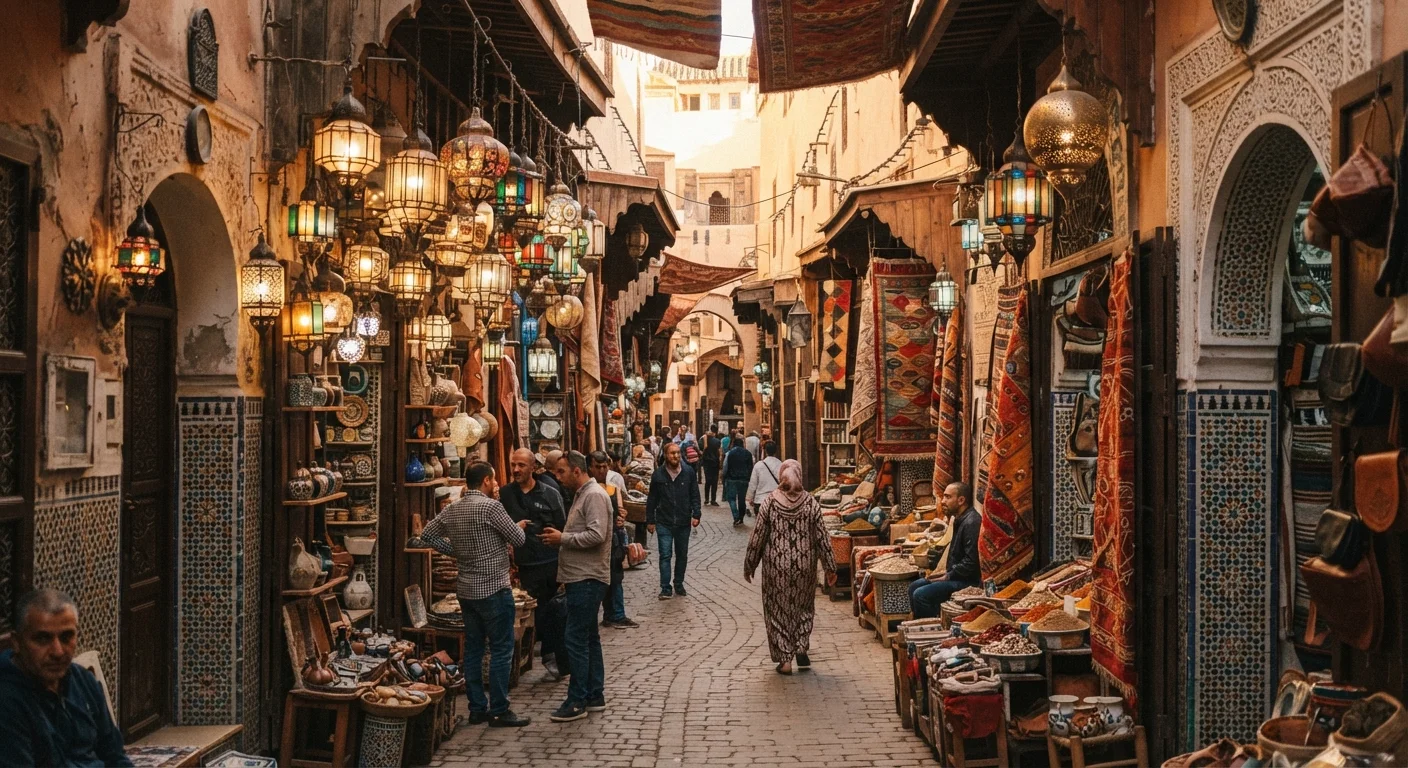
Getting lost in a medina without a plan and no offline navigation.
Why it happens: Travelers assume smartphone maps will work reliably in dense medina alleyways, and underestimate how genuinely disorienting these ancient city centers can be without cell signal.
Engaging in souk bargaining without understanding the cultural context first.
Why it happens: Visitors either refuse to bargain at all (overpaying significantly) or bargain aggressively and rudely, treating it as an adversarial transaction rather than a social exchange.
Accepting "guide" assistance from strangers and ending up on a commission-based shopping tour.
Why it happens: Friendly locals offering to help you find a specific destination are a common feature of medina life — and some are genuinely helpful, while others steer tourists toward shops where they earn a cut of any purchase.
Packing without accounting for the wide temperature range across regions and elevations.
Why it happens: "Morocco" conjures desert heat, but the Atlas Mountains can be cold even in summer, coastal cities are windy, and evenings in the Sahara drop sharply after dark.
What Preparation Actually Looks Like for Morocco
Good Morocco prep goes deeper than booking a riad and downloading a phrasebook. The country rewards travelers who understand its rhythms — and gently punishes those who don't.
13M+
International visitors to Morocco annually
Morocco regularly ranks among Africa's most visited countries, drawing over 13 million international arrivals in strong tourism years, according to Moroccan tourism authority figures.
9,400 km²
Total area of Morocco's medinas and historic zones
Morocco's UNESCO-listed medinas — including Fez, Marrakech, and Meknes — represent some of the largest and most intact historic urban centers in the world.
Start with the practical logistics: transportation between cities takes longer than Google Maps implies. Shared taxis (grands taxis) and intercity buses are widely used and affordable, but schedules can be fluid and routes aren't always intuitive. If your itinerary connects Marrakech, the Atlas Mountains, the desert, and the northern coast in under ten days, you may spend more time in transit than you'd like.
Cultural preparation is just as important as logistical planning. Morocco is a predominantly Muslim country, and public behavior norms — particularly around dress, physical affection, and photography — differ meaningfully from American defaults. Modest clothing for both men and women (covered shoulders and knees in medinas and religious sites) isn't a suggestion; it's a form of basic respect that also tends to reduce unwanted attention. Ramadan timing affects restaurant hours, social energy, and traveler dynamics in significant ways — worth knowing before you go.
If you're navigating the complexity of booking guides, multi-city routes, or desert camps, working with a travel specialist can help you avoid structural errors in your itinerary. See how travel services work for first-time users to understand what's involved. A well-prepared travel consultation can surface itinerary issues you'd never anticipate on your own.
Photography Requires Permission and Sensitivity
Photographing people — especially women, market vendors, and religious sites — without explicit permission is considered intrusive and disrespectful in Morocco. Some individuals may also ask for payment after a photo is taken if permission wasn't established first. Always ask before shooting portraits, and accept refusals graciously. Interior photography in mosques is generally not permitted for non-Muslim visitors.
The biggest shift most visitors need to make is around pace. Morocco isn't a destination you efficiently check off. The medinas aren't grids — they're living, breathing labyrinths, and the magic is often in the wandering. Build in slack time, stay curious, and let the itinerary breathe. You'll leave with far better stories than those who tried to do it all.
This article provides general travel information for educational purposes. Entry requirements, health recommendations, and local regulations change — always verify current conditions through official government and embassy sources before traveling.