

Key Takeaways
Destination Management Company (DMC)
A Destination Management Company (DMC) is a professional services firm with deep, specialized knowledge of a specific geographic area. DMCs design, coordinate, and execute travel programs — including logistics, activities, venues, and ground transportation — primarily for corporate clients, associations, and large groups. They act as the on-the-ground expert in a destination, managing every operational detail so their clients don't have to.
DMCs typically operate on a business-to-business (B2B) model, meaning they sell their services to travel agencies, event planners, or corporations rather than directly to individual travelers.
What a DMC Actually Does
Picture a 300-person corporate incentive trip to New Orleans. Someone has to book a private jazz venue, coordinate chartered buses from the airport, arrange a chef-led cooking class in the French Quarter, and make sure name badges are ready at registration. That someone is typically a Destination Management Company.
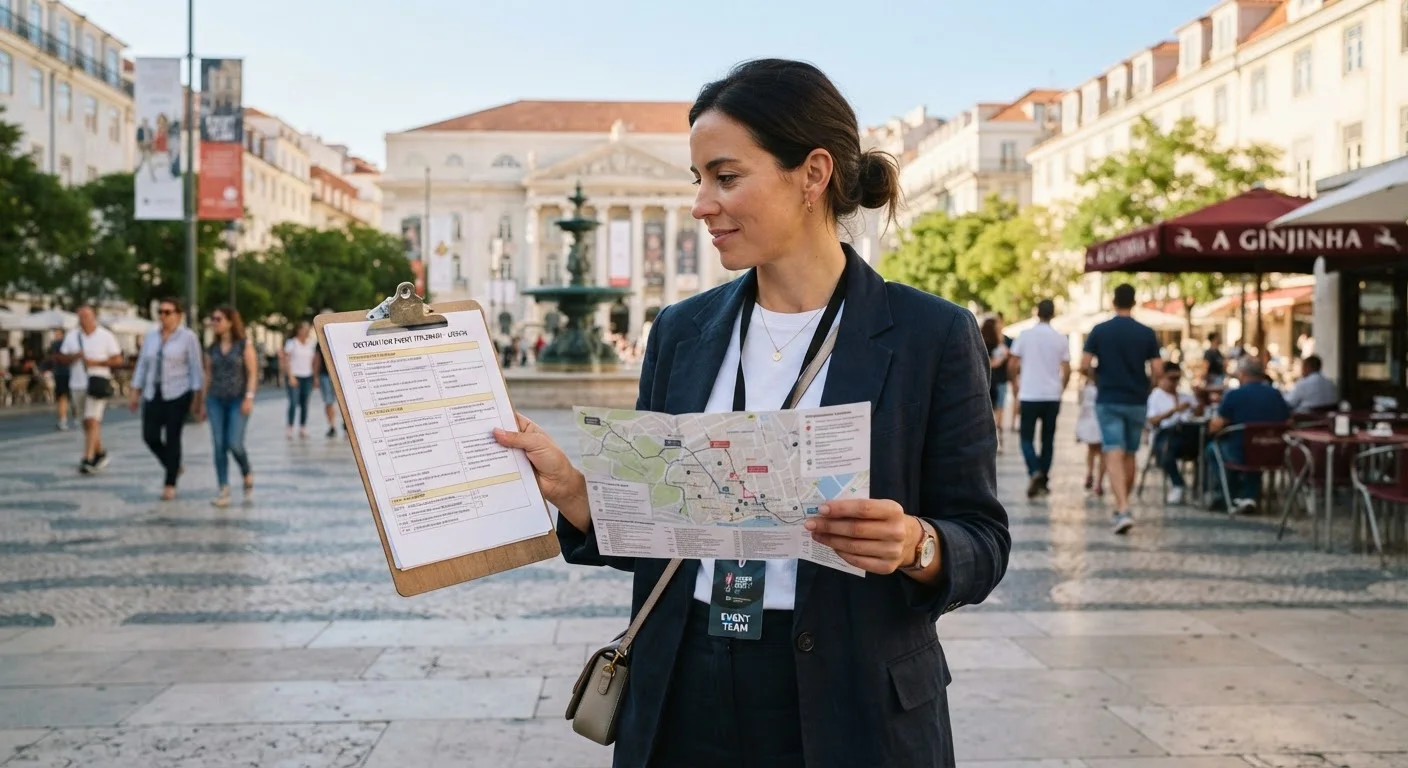
DMCs are ground-level orchestrators. They don't just recommend experiences — they execute them, often deploying their own staff and a trusted network of local vendors. Their core services typically include:
- Ground transportation logistics (motorcoaches, transfers, shuttle coordination)
- Venue sourcing and contract negotiation
- Activity and entertainment programming
- On-site event staffing and management
- Catering coordination and décor
- Destination-specific permitting and regulatory compliance
Because a DMC operates exclusively within its geographic region, it develops relationships and institutional knowledge that an outside planner simply can't replicate. That local depth is their core value proposition.
B2B
Primary DMC business model
DMCs sell services to corporations, agencies, and associations — not directly to individual consumers.
1 Region
Typical DMC geographic focus
Most DMCs specialize deeply in a single city, region, or country to maximize local expertise.
Incentive travel
Most common DMC use case
Corporate incentive programs are among the most frequent reasons companies engage a destination management company.
Who DMCs Serve — and Who They Don't
This is where the biggest misunderstanding tends to arise. DMCs work almost entirely on a business-to-business (B2B) basis. Their clients are typically:
- Corporate meeting and event planners organizing conferences, sales meetings, or leadership retreats
- Incentive travel programs rewarding high-performing employees or partners
- Association managers running annual conventions or educational events
- Travel agencies that need trusted ground operators in a specific destination
If you're an individual planning a family vacation or honeymoon, a DMC is almost certainly not in your picture — and that's by design. Their operational model, pricing structure, and service scope are calibrated for groups and organizations, not solo consumers.
This B2B focus is one of the clearest ways to understand how DMCs differ from the travel agencies most consumers use. See our overview of what travel agencies actually do for a side-by-side sense of the contrast.
DMCs Are Often Invisible to End Travelers
If you've attended a well-run corporate conference or incentive trip, you may have interacted with DMC staff without ever knowing it — the check-in team, the shuttle coordinator, the activity guide. DMCs deliberately operate behind the brand of the hiring organization, which is why many travelers aren't familiar with the term despite regularly benefiting from their work.
How DMCs and Travel Agencies Complement Each Other
Rather than competing, DMCs and travel agencies frequently collaborate. A travel agency might handle everything from the client relationship and flight bookings to hotel contracts — and then engage a local DMC to manage the on-the-ground program in the destination. The DMC becomes, in effect, a subcontractor with specialized expertise.
This partnership model is especially common in incentive travel, where the overall trip might be sold and managed by a travel agency or incentive house, but a DMC handles every logistical detail on site. The traveler often experiences a seamless program without knowing multiple organizations were involved behind the scenes.
Working With a Travel Agency on Group Programs
If you're organizing a corporate event or group trip through a travel agency, ask whether they plan to engage a local DMC for on-the-ground services. Knowing which entity handles logistics in the destination helps you understand who to contact when questions arise during the trip itself.
For travelers curious about how different types of agencies divide their roles, our end-to-end guide to travel services covers the full landscape in plain language. And if you've ever wondered about the spectrum within agencies themselves, full-service vs. specialty travel agencies is a useful read.
Why Geographic Specialization Defines the DMC Model
A DMC's value is inseparable from its location expertise. Most established DMCs operate in a single city, region, or country — and they invest heavily in knowing that territory inside and out. They maintain relationships with local vendors, understand permit requirements, know which venues handle large groups gracefully, and can anticipate logistical challenges that an outsider wouldn't see coming.
This specialization means that if a corporate client wants a program in Scottsdale one year and Barcelona the next, they'll likely work with an entirely different DMC for each destination. Some larger DMC networks operate across multiple markets, but deep local knowledge remains the defining asset regardless of scale.
Understanding this geography-first model helps clarify why DMCs aren't simply a different name for a travel agency. They occupy a distinct niche — and for the organizations that need them, that niche is invaluable. For a broader glossary of terms you might encounter while navigating travel planning services, see our plain-language travel terminology guide.