

Key Takeaways
Why a Rental Is a Practical Test Drive - Not Just a Vacation
Buying an RV without renting one first is a bit like buying a house after only viewing the listing photos. You see what's presented; you don't experience what's lived. A rental trip forces you into the actual rhythms of RV ownership - cooking in a small galley, sleeping in a fixed bed versus a convertible dinette, managing a gray water tank, and figuring out how much you really need shore power.
The goal isn't simply to enjoy a trip. It's to observe yourself honestly. What frustrated you? What felt surprisingly workable? What did you miss immediately from home? Those reactions are data, and they're far more reliable than specs on a dealer's window sticker. For a broader view of what RV living actually involves day-to-day, see our honest breakdown of the RV lifestyle.
Best Practices for Getting the Most from an RV Rental
A rental weekend becomes genuinely educational only when you approach it with intention. Use the practices below to structure your experience around the questions that matter most before a purchase.
Choose a rental unit that matches the type you're seriously considering buying.
Testing a Class B camper van when you're planning to buy a fifth wheel produces misleading information. Your rental should reflect the actual category - motorhome vs. towable, size class, and floor plan style - you're weighing. Mismatched testing is one of the most common mistakes prospective buyers make.
Cook at least two full meals inside the RV during your rental.
Galley kitchens look functional in photos but reveal their limitations quickly under real use. Counter space, ventilation, refrigerator size, and the number of burners all affect how comfortable daily cooking feels. Many buyers cite kitchen usability as a factor they underestimated.
Drive the rental unit to at least one location requiring highway merging, a gas station fill-up, and campground navigation.
Driving a large RV involves different mirrors, wider turns, low-clearance awareness, and backing into sites - skills that feel abstract until you're behind the wheel. Many renters are surprised by how much mental energy driving demands, especially in the first few hours.
Manage all on-board systems yourself - don't skip or delegate water, power, or waste tasks.
Fresh water tanks, gray and black water tanks, shore power hookups, and propane systems all require regular attention. Understanding how often tanks fill and how much capacity you actually need informs which unit size and tank configuration to prioritize in a purchase.
Sleep in every sleeping configuration the rental offers.
A floor plan may show four sleeping areas, but real comfort depends on mattress quality, headroom, ventilation, and whether you can actually get in and out at night without waking your partner. Sleeping preferences are highly personal and difficult to judge from a photo.
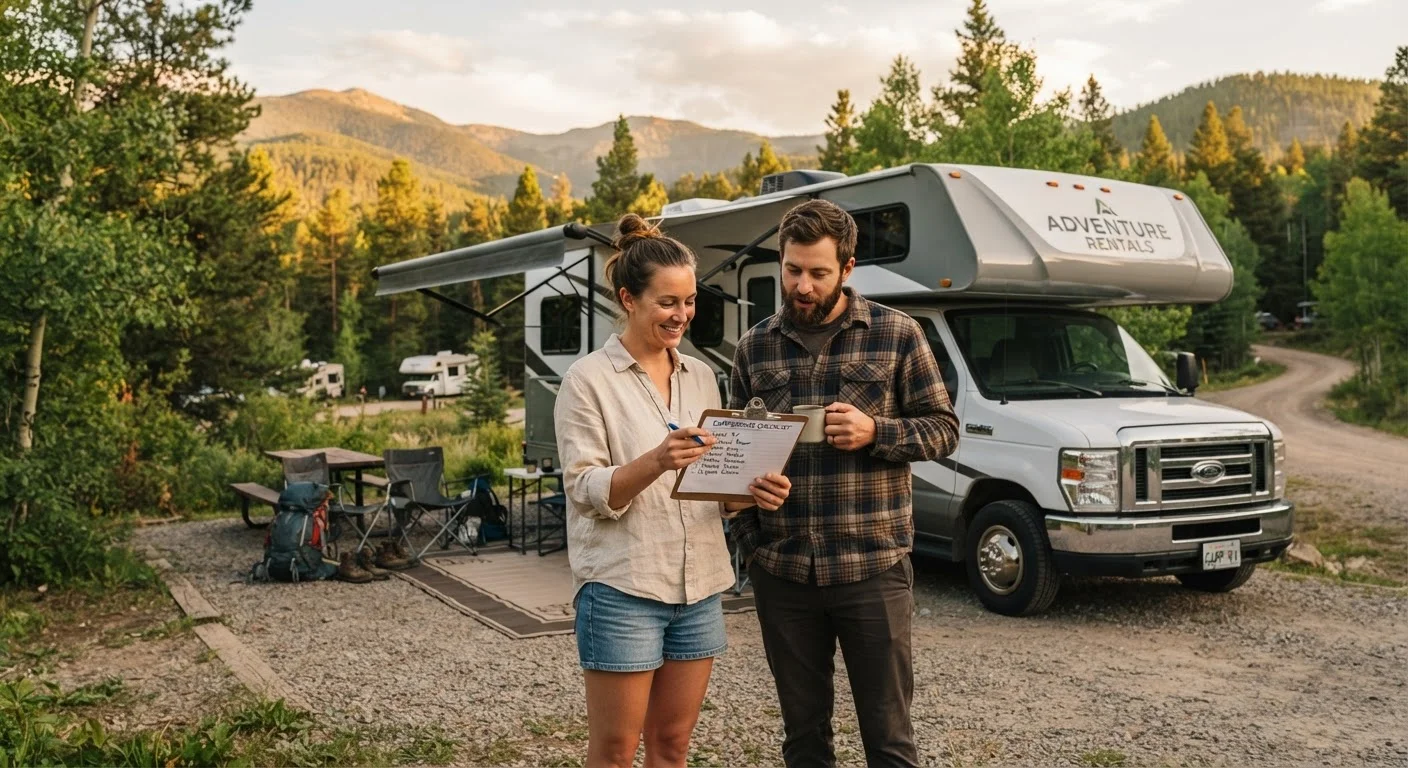
Keep a written log of frustrations and pleasant surprises throughout the trip.
Memory is selective, and the excitement of the experience can overshadow practical friction points by the time you're back home. A running log creates an honest record you can reference when reviewing floor plans and negotiating features during a purchase.
What Renters Consistently Discover
Across the RV community, certain lessons come up repeatedly among people who rented before buying. Size estimates are almost always off - renters who imagined they wanted a 40-foot Class A often end up purchasing a 28-foot travel trailer after finding that maneuvering a large coach through campgrounds felt more stressful than freeing. Conversely, renters who chose a compact camper van sometimes found the lack of a separate bedroom or standing-height interior a genuine dealbreaker after 72 hours.
65%
Renters who changed their target RV size after a trip
Industry surveys from RV rental platforms consistently find that a majority of renters revise their intended purchase size after a real-world rental experience.
3 in 5
First-time RV buyers who wish they had rented first
Surveys conducted by RV consumer research groups suggest most first-time buyers who skipped a rental reported at least one significant regret about their purchase choice.
Systems literacy is another consistent discovery. Knowing that a propane refrigerator exists is different from learning that it must stay level to function, that it takes hours to cool down, and that you need to monitor propane levels more carefully than expected. One rental weekend replaces hours of YouTube tutorials with direct, memorable experience.
If you're heading into your first trip, our first RV trip guide covers the practical basics from hookups to campground etiquette.
Rental Conditions Aren't Always Ideal - That's the Point
A rental unit may have minor wear, a less-than-perfect mattress, or systems that aren't brand-new. This is actually useful: it approximates what owning an RV over time looks like, not the showroom experience. Pay attention to how well the unit was maintained and how quickly the rental company responded to questions - these factors mirror what ownership and service relationships will feel like.
Quick Wins: Actions to Take Before and During Your Rental
After the rental, resist the urge to buy immediately based on emotion. Give yourself at least a week to reflect. Compare your experience against common misconceptions that trip up first-time buyers - some of what felt like problems may be solvable with the right unit type, and some enthusiasm fades quickly once the campfire smoke clears.
If the rental suggested you need something smaller and more manageable, a pop-up camper may be worth exploring before committing to a full RV. And when you're ready to move toward a purchase, the vehicle shopping resources on this site can help you approach that process with equal care.