

Key Takeaways
Supports cardiovascular health
Research published in journals including the Journal of the American Heart Association consistently links plant-forward diets to lower LDL cholesterol and reduced blood pressure, both key risk factors for heart disease.
Associated with lower type 2 diabetes risk
High fiber intake from whole plant foods improves insulin sensitivity and helps regulate blood sugar. Studies find that people eating predominantly plant-based diets have meaningfully lower rates of type 2 diabetes.
May reduce risk of certain cancers
The World Health Organization classifies processed meat as a Group 1 carcinogen. Diets lower in processed and red meat and higher in fiber-rich plant foods are associated with reduced colorectal cancer risk, according to major epidemiological reviews.
Supports healthy weight management
Whole plant foods tend to be lower in caloric density and higher in fiber, which promotes satiety. Population studies consistently find lower average body mass index among those eating predominantly plant-based diets.
Rich in protective micronutrients and antioxidants
Fruits, vegetables, legumes, and whole grains supply vitamins C and E, folate, potassium, and a broad range of phytonutrients linked to reduced inflammation and chronic disease risk.
Vitamin B12 must be supplemented
B12 occurs naturally almost exclusively in animal products. People eliminating or significantly reducing meat and dairy are at genuine risk of deficiency over time, which can affect nerve function and red blood cell production. Supplementation or fortified foods are typically necessary.
Iron absorption is less efficient from plants
Plant foods contain non-heme iron, which the body absorbs at a lower rate than the heme iron in meat. Consuming vitamin C alongside iron-rich plant foods (beans, lentils, spinach) can improve absorption, but careful meal planning is required.
Omega-3 fatty acids require specific sources
The omega-3s in plant foods (ALA, found in flaxseeds and walnuts) convert inefficiently to the EPA and DHA forms the body uses most readily. Algae-based DHA supplements are a viable option, but awareness of the gap is important.
Calcium and vitamin D need attention
Dairy is a primary calcium source in the standard American diet. Those avoiding it need to rely on fortified plant milks, tofu made with calcium sulfate, and leafy greens — and should monitor vitamin D status, which affects calcium absorption.
Processed plant-based products can be misleading
Many commercially available plant-based meat and dairy alternatives are high in sodium, saturated fat, and additives. Relying on these products rather than whole foods can undermine the nutritional case for plant-based eating.
Social and practical barriers can be significant
Navigating restaurants, social events, and family meals on a restrictive plant-based diet requires more planning and can create friction. Food access and cost of certain specialty ingredients vary considerably by region and household budget.
Our Verdict
Plant-based eating offers well-documented benefits for cardiovascular health, weight management, and chronic disease prevention. However, those benefits depend on the quality of food choices and deliberate nutrient planning — not simply eliminating animal products. With informed preparation, most nutritional gaps are manageable.
Best suited to readers motivated to improve long-term health outcomes who are willing to plan meals thoughtfully, ideally with professional nutritional guidance.
What 'Plant-Based' Actually Means
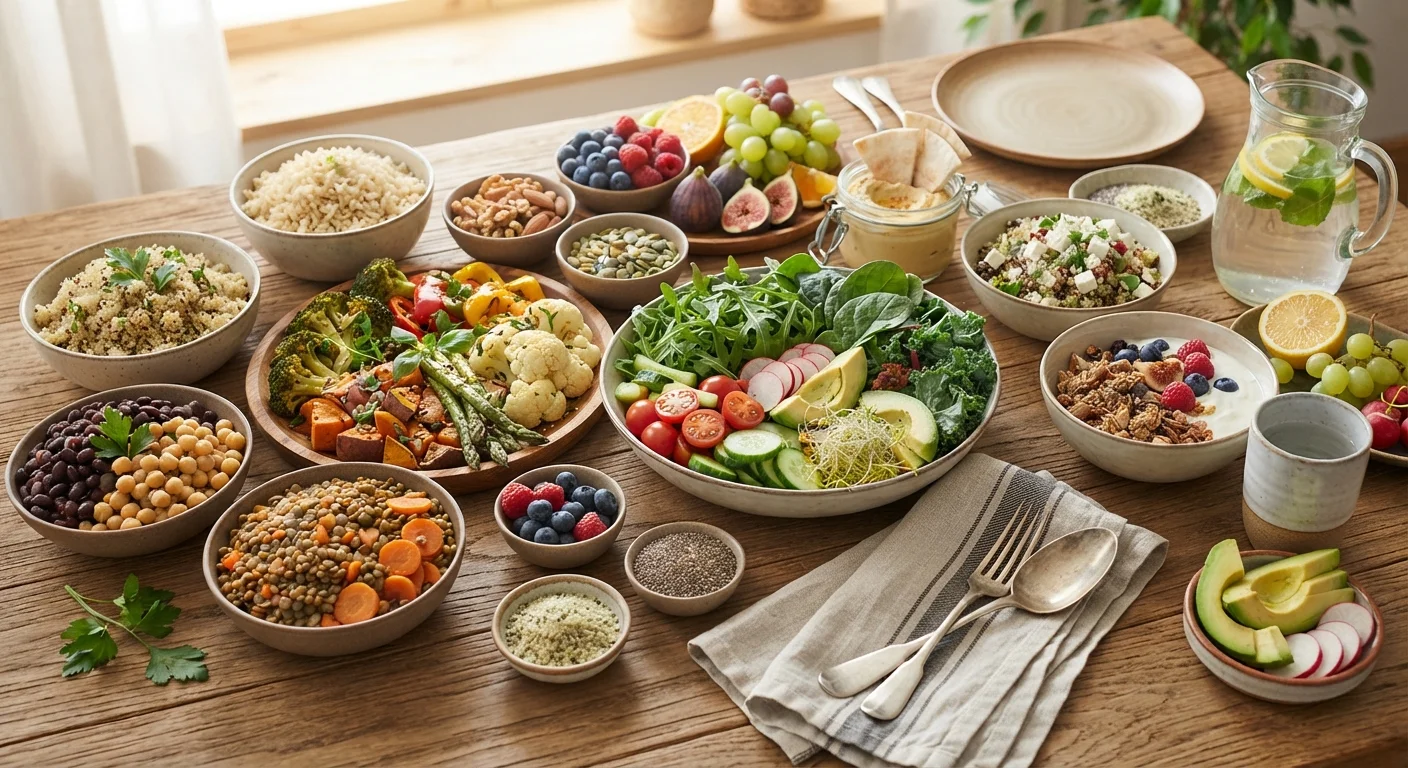
The term plant-based eating covers a wide spectrum. At one end sits strict veganism, which excludes all animal products. At the other is a loosely plant-forward diet that simply emphasizes vegetables, legumes, whole grains, and nuts while reducing — but not eliminating — meat and dairy. Most of the research on health outcomes applies broadly across this spectrum rather than to any single rigid approach.
Understanding where you want to land on that spectrum is the first practical step. Someone reducing red meat a few days per week and someone following a fully vegan diet both qualify as "plant-based" in research literature, yet face different nutritional considerations. For a grounding in how food groups and macronutrients fit together, see Building a Balanced Plate.
The Evidence-Backed Benefits
The case for eating more plants is supported by decades of large-scale nutritional research. Here's what the evidence consistently shows:
Supports cardiovascular health
Research published in journals including the Journal of the American Heart Association consistently links plant-forward diets to lower LDL cholesterol and reduced blood pressure, both key risk factors for heart disease.
Associated with lower type 2 diabetes risk
High fiber intake from whole plant foods improves insulin sensitivity and helps regulate blood sugar. Studies find that people eating predominantly plant-based diets have meaningfully lower rates of type 2 diabetes.
May reduce risk of certain cancers
The World Health Organization classifies processed meat as a Group 1 carcinogen. Diets lower in processed and red meat and higher in fiber-rich plant foods are associated with reduced colorectal cancer risk, according to major epidemiological reviews.
Supports healthy weight management
Whole plant foods tend to be lower in caloric density and higher in fiber, which promotes satiety. Population studies consistently find lower average body mass index among those eating predominantly plant-based diets.
Rich in protective micronutrients and antioxidants
Fruits, vegetables, legumes, and whole grains supply vitamins C and E, folate, potassium, and a broad range of phytonutrients linked to reduced inflammation and chronic disease risk.
~5%
Reduced cardiovascular disease risk
A 2019 analysis in the Journal of the American Heart Association found each 10-percentage-point increase in plant protein intake was associated with roughly a 5% lower risk of cardiovascular disease mortality.
~7%
Adults meeting fiber recommendations
According to data frequently cited by the American Society for Nutrition, fewer than 10% of American adults meet the recommended daily intake for dietary fiber — a gap plant-based eating directly addresses.
23%
Lower type 2 diabetes risk
A meta-analysis in PLOS Medicine found individuals following plant-based dietary patterns had approximately 23% lower risk of developing type 2 diabetes compared to those with lower plant-food intake.
Beyond individual health markers, plant-heavy diets tend to be higher in dietary fiber — a nutrient the majority of American adults fall short on — which supports digestive health and sustained satiety.
The Real Nutritional Trade-Offs
No eating pattern is without trade-offs, and plant-based diets have specific nutrient gaps that require active attention rather than assumption.
Vitamin B12 must be supplemented
B12 occurs naturally almost exclusively in animal products. People eliminating or significantly reducing meat and dairy are at genuine risk of deficiency over time, which can affect nerve function and red blood cell production. Supplementation or fortified foods are typically necessary.
Iron absorption is less efficient from plants
Plant foods contain non-heme iron, which the body absorbs at a lower rate than the heme iron in meat. Consuming vitamin C alongside iron-rich plant foods (beans, lentils, spinach) can improve absorption, but careful meal planning is required.
Omega-3 fatty acids require specific sources
The omega-3s in plant foods (ALA, found in flaxseeds and walnuts) convert inefficiently to the EPA and DHA forms the body uses most readily. Algae-based DHA supplements are a viable option, but awareness of the gap is important.
Calcium and vitamin D need attention
Dairy is a primary calcium source in the standard American diet. Those avoiding it need to rely on fortified plant milks, tofu made with calcium sulfate, and leafy greens — and should monitor vitamin D status, which affects calcium absorption.
Processed plant-based products can be misleading
Many commercially available plant-based meat and dairy alternatives are high in sodium, saturated fat, and additives. Relying on these products rather than whole foods can undermine the nutritional case for plant-based eating.
Social and practical barriers can be significant
Navigating restaurants, social events, and family meals on a restrictive plant-based diet requires more planning and can create friction. Food access and cost of certain specialty ingredients vary considerably by region and household budget.
Special Populations Need Extra Guidance
Children, pregnant and breastfeeding individuals, older adults, and people managing chronic conditions face heightened nutritional stakes with any significant dietary change. Plant-based eating can be appropriate across life stages, but the American Academy of Nutrition and Dietetics recommends that these groups work closely with a registered dietitian to ensure nutritional adequacy. General guidance does not substitute for individualized professional assessment.
It's also worth noting that "plant-based" on a food label doesn't automatically mean healthful. Many packaged plant-based products — burgers, nuggets, dairy-free cheeses — are highly processed and high in sodium or saturated fat. Reading ingredient lists carefully becomes especially important when navigating these products.
Practical Steps for Getting Started
Transitioning toward a plant-based diet doesn't have to be abrupt. Gradual, sustainable changes tend to produce better long-term adherence than eliminating entire food categories overnight.
- Start with addition, not subtraction: Focus first on increasing vegetables, legumes, and whole grains before cutting anything out. See practical strategies for adding more vegetables without a full dietary reset.
- Plan around key nutrients: Identify your potential gaps — B12, iron, calcium, zinc, omega-3s — and address them through fortified foods, diverse plant sources, or supplementation discussed with a healthcare provider.
- Prioritize whole foods: Beans, lentils, tofu, tempeh, whole grains, and a variety of vegetables provide a nutritional foundation that highly processed plant alternatives do not reliably replicate.
- Consult a registered dietitian: Especially for those with chronic conditions, athletes, pregnant individuals, or children, professional guidance is strongly recommended before making significant dietary changes.
For a comparison of other well-researched dietary patterns, the Mediterranean and DASH diets offer instructive context on how plant-emphasis varies across evidence-backed approaches.
This article is for general informational and educational purposes only and does not constitute medical or nutritional advice. Consult a qualified healthcare professional or registered dietitian before making significant changes to your diet, particularly if you have an existing health condition.