

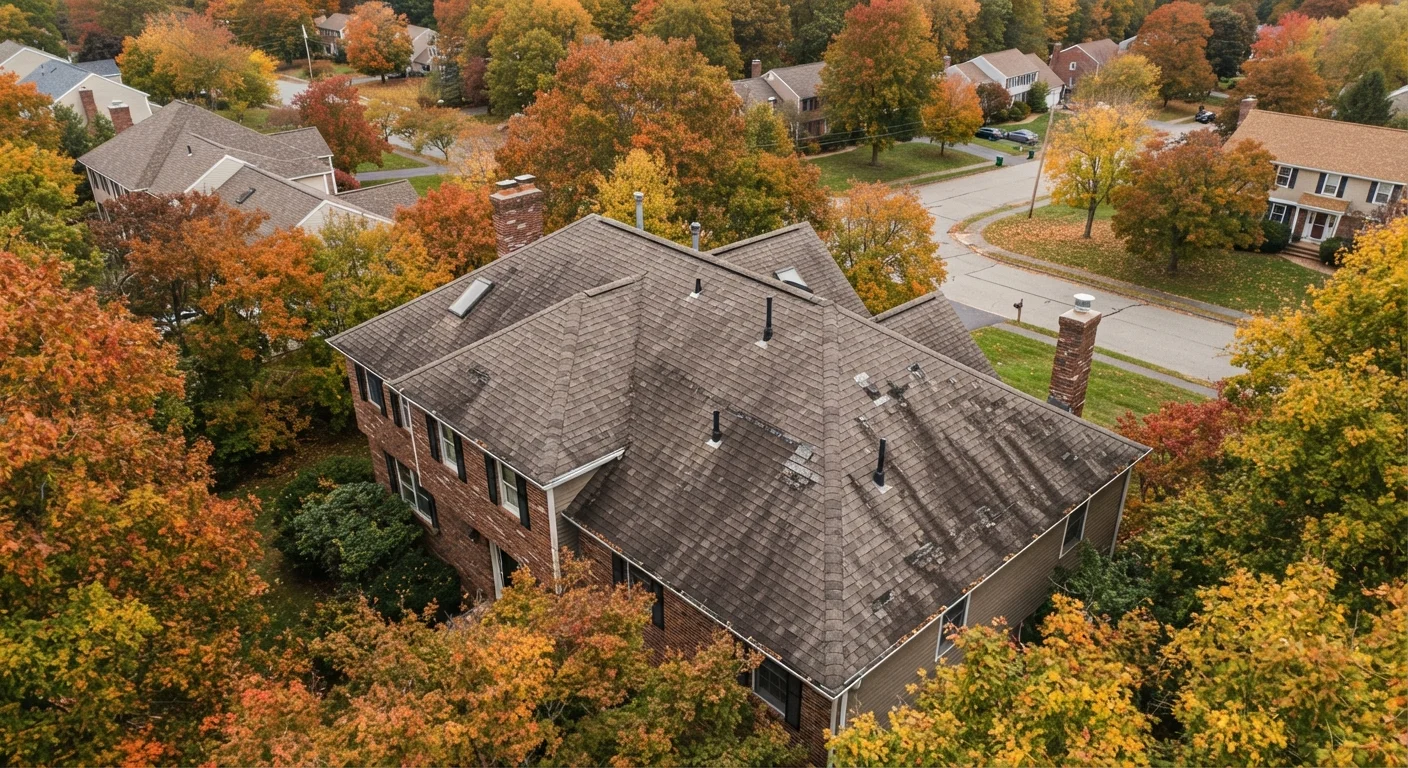
How Long Different Roofing Materials Actually Last
Roof lifespan depends heavily on the material used. Asphalt shingles — the most common choice in the U.S. — typically last 20 to 30 years, with three-tab shingles on the shorter end and architectural (laminate) shingles toward the longer end. Metal roofing generally performs for 40 to 70 years depending on the alloy. Clay and concrete tiles frequently exceed 50 years, while wood shake roofs usually fall in the 20–30 year range but require more active maintenance to reach it.
These are general ranges. Local climate, attic ventilation quality, and installation workmanship all affect how long any specific roof actually performs. A poorly ventilated attic, for instance, can shorten asphalt shingle life significantly because trapped heat accelerates breakdown from below. See our guide to attic insulation and ventilation for how these two systems directly affect roof health.
What Shortens a Roof's Life
Several factors accelerate roof aging beyond the expected timeline:
- Inadequate ventilation: Heat and moisture buildup in the attic warp decking and degrade shingles from underneath.
- Ice dams: In cold climates, ice forming at roof edges forces water under shingles, causing leaks and rot.
- Moss and algae growth: Organic growth retains moisture against the surface, breaking down shingles over time.
- Improper installation: Nailing errors, inadequate underlayment, or poor flashing work create vulnerabilities from day one.
- Overloaded layers: Some jurisdictions allow re-roofing over one existing layer. Adding too many layers traps heat and adds structural weight.
- Storm damage left unaddressed: A missing shingle or cracked flashing that goes unrepaired allows water entry that compounds over months.
Keeping up with your seasonal home maintenance checklist is one of the most practical ways to catch these issues before they compound.
Warning Signs You Can See from the Ground
You don't need to climb onto your roof to notice early trouble. From the ground or a ladder at the eave edge, look for:
- Curling or cupping shingles: Edges that lift or curl inward indicate moisture damage or age-related brittleness.
- Missing shingles: Bare patches expose the underlayment to UV and rain.
- Granule loss: Check gutters after rain — significant granule accumulation signals shingle breakdown. New roofs shed some granules normally; heavy loss on an aging roof is a concern.
- Sagging sections: Any visible dip or sag in the roofline suggests structural issues below the surface — decking rot or compromised rafters.
- Flashing gaps: Metal flashing around chimneys, skylights, and vents that is lifting, rusting, or visibly separated allows water infiltration.
Inside the home, water stains on ceilings or upper walls, daylight visible through attic boards, and unexplained increases in heating or cooling costs can all point back to roof problems. These exterior integrity checks are worth doing annually.
Flashing
Thin metal strips (usually aluminum or galvanized steel) installed at roof joints, around chimneys, and near skylights to direct water away from seams. Failing flashing is one of the most common sources of roof leaks.
Underlayment
A water-resistant or waterproof layer installed directly on the roof deck, beneath the shingles or tiles. It provides a secondary barrier against moisture if the outer surface is breached.
Decking (roof deck)
The structural panels — typically plywood or OSB — that form the base layer of a roof system. Rot or warping in the decking usually requires replacement of affected sections before re-roofing.
Ice dam
A ridge of ice that forms at a roof's edge when heat escaping from a warm attic melts snow, which then refreezes at the colder eave. Water backed up behind the dam can seep under shingles and into the home.
Granule loss
The shedding of the mineral granules embedded in asphalt shingles. These granules protect against UV degradation; significant loss accelerates aging and signals shingles are nearing end of life.
When a Professional Inspection Is Worth Scheduling
Routine visual checks are valuable, but they have limits. A qualified roofing inspector or licensed home inspector can assess underlayment condition, flashing integrity, and decking health in ways a homeowner cannot safely replicate from ground level.
Schedule an inspection when:
- Your roof is approaching or past the midpoint of its expected lifespan (typically 15+ years for asphalt).
- You've experienced a significant hail event, high-wind storm, or ice dam season.
- You're buying or selling a home — a roof's remaining useful life is a material factor in any negotiation. Our article on reading a home inspection report explains how to interpret what inspectors document.
- You notice any of the interior warning signs described above and can't identify another source.
- A contractor suggests replacement but you want an independent second opinion.
Many roofing contractors offer free estimates, but a paid independent inspection — typically $150–$350 depending on location and roof size — gives you an unbiased assessment without a sales incentive attached. If roof findings affect a transaction, see our guidance on negotiating after a home inspection.
This article provides general home maintenance information. Costs and timelines vary by location, roof type, and contractor. Always verify local code requirements and consult a licensed professional before undertaking roofing work.