

Key Takeaways
What's Actually at Stake
Security deposits typically range from one to two months' rent, meaning a tenant in a $1,500-per-month apartment could have $3,000 on the line. Yet many renters treat that money as gone the moment they hand it over — and landlords sometimes behave accordingly. The good news is that most deposit deductions are preventable with some preparation and consistent habits throughout your tenancy.
Understanding what landlords can and cannot legally withhold is the first step. For a thorough grounding in tenant protections, see our guide on how security deposits work and what landlords can legally deduct.
1 in 4
Renters who lose part of their deposit
Survey data from renter advocacy groups consistently find that roughly one in four tenants report losing at least a portion of their security deposit, often to cleaning or damage charges.
14–45 days
Typical state deadline to return deposits
State laws across the U.S. generally require landlords to return security deposits — or provide an itemized list of deductions — within this range of days after a tenant vacates.
The Most Common Mistakes That Cost Renters Their Deposit
The mistakes below account for the vast majority of deposit disputes. Each one is avoidable — usually with a small investment of time at the beginning or end of a lease.
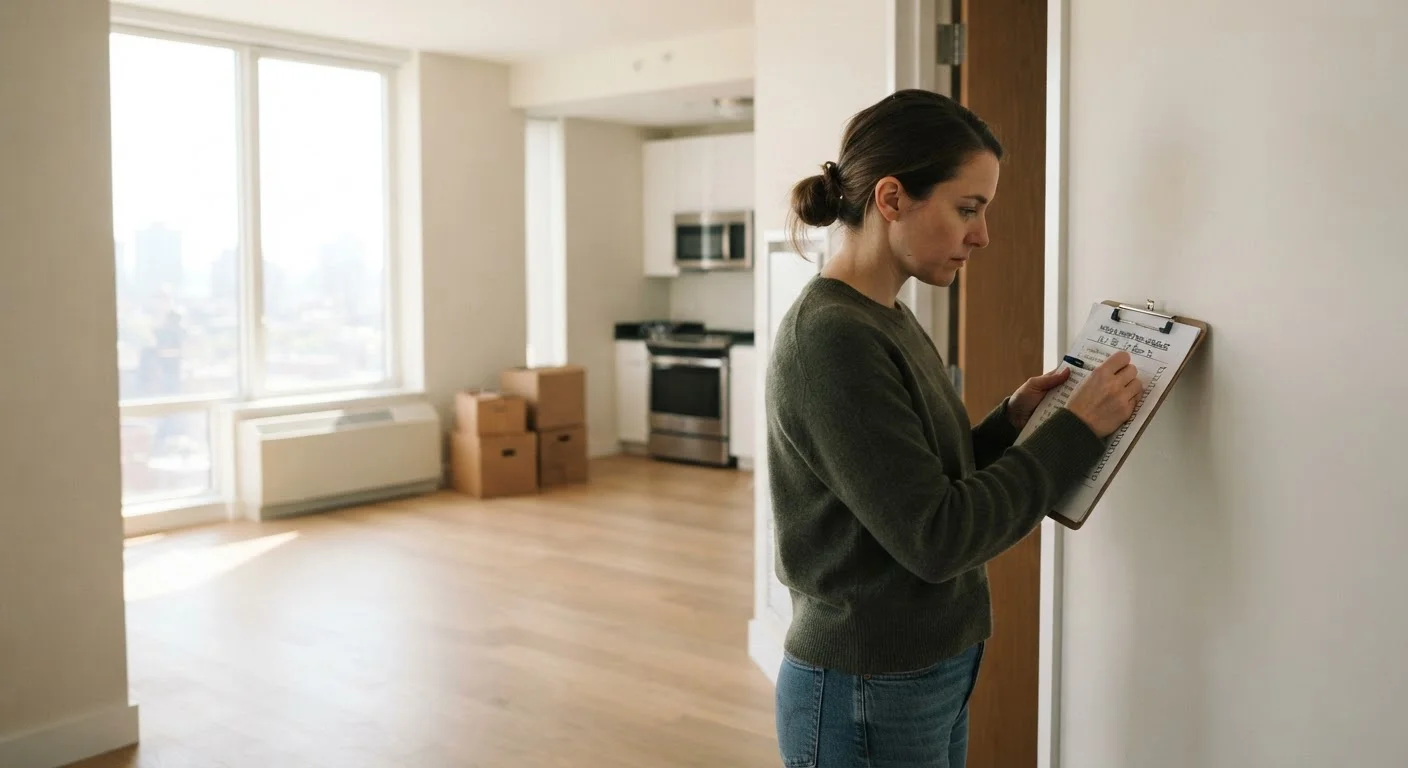
Skipping the move-in inspection and failing to document existing damage.
Why it happens: New tenants are often eager to move in quickly and assume the landlord's checklist covers everything. Without independent documentation, there's no evidence that damage existed before the tenancy.
Leaving the unit less clean than it was when you moved in.
Why it happens: Move-out day is stressful, and deep cleaning is easy to underestimate in scope and effort. Many renters clean to their own standard rather than the lease standard.
Causing damage that goes beyond normal wear and tear.
Why it happens: The distinction between "normal wear and tear" (expected aging) and actual damage isn't always obvious to renters, so small holes from picture hooks, stains, or broken fixtures may be left unaddressed.
Not providing proper written notice before vacating.
Why it happens: Many renters assume a verbal notice or an informal text is sufficient, or they miscalculate their lease's required notice period.
Failing to return all keys, fobs, garage openers, and mailbox keys.
Why it happens: With the chaos of moving, small items like extra key copies or parking passes get packed away or lost. Landlords may charge replacement and re-keying fees.
Not following up if the deposit is not returned within the legal deadline.
Why it happens: Many renters don't know their state's deadline for deposit return — which typically ranges from 14 to 45 days — and assume delays are normal.
If you have pets, the stakes are even higher. Specific rules around pet damage and pet deposits vary widely by lease and landlord. Our article on navigating pet deposits and lease restrictions explains what to watch for before signing.
Building Habits That Protect You Year-Round
Protecting your deposit isn't only a move-in and move-out task — it's an ongoing practice. Report maintenance issues in writing as soon as they arise. A leaking pipe that you ignored for months can become your liability if the landlord argues delayed notice caused the damage. Keep copies of every message you send and receive.
Verbal Agreements Won't Protect You
If your landlord agrees to overlook a repair, allow a pet, or adjust your move-out date verbally, that agreement is very difficult to enforce. Always follow up verbal conversations with a brief written summary — even a simple email saying "Just confirming our conversation today: you agreed to X" creates a usable record. Relying on verbal assurances is one of the most common ways renters end up surprised at move-out. For more on this, see our article on apartment hunting myths that cost renters money.
When the time comes to move out, give yourself at least a full weekend to clean, patch minor scuffs, and do a final walkthrough before handing back the keys. Request a joint inspection with your landlord if your state allows it — this is your chance to hear concerns and address them before any deductions are made. For practical communication strategies throughout your tenancy, see our guide on communicating with your landlord.
Finally, know your rights. Many renters forfeit protections they were legally entitled to simply because they didn't know those rights existed. Our article on renter's rights most tenants don't know they have covers protections worth understanding in most U.S. states.