

Key Takeaways
Security Deposit
A security deposit is a sum of money a renter pays to a landlord before moving in. It acts as financial protection for the landlord in case the tenant causes damage beyond normal wear and tear, fails to pay rent, or breaks the lease. If no such issues arise, the deposit must be returned to the tenant after move-out, typically within a legally mandated timeframe.
Security deposit rules — including maximum allowable amounts, required interest accrual, and return deadlines — are governed by state and sometimes local law, not federal law. Requirements vary significantly by jurisdiction.
How Security Deposits Are Collected and Held
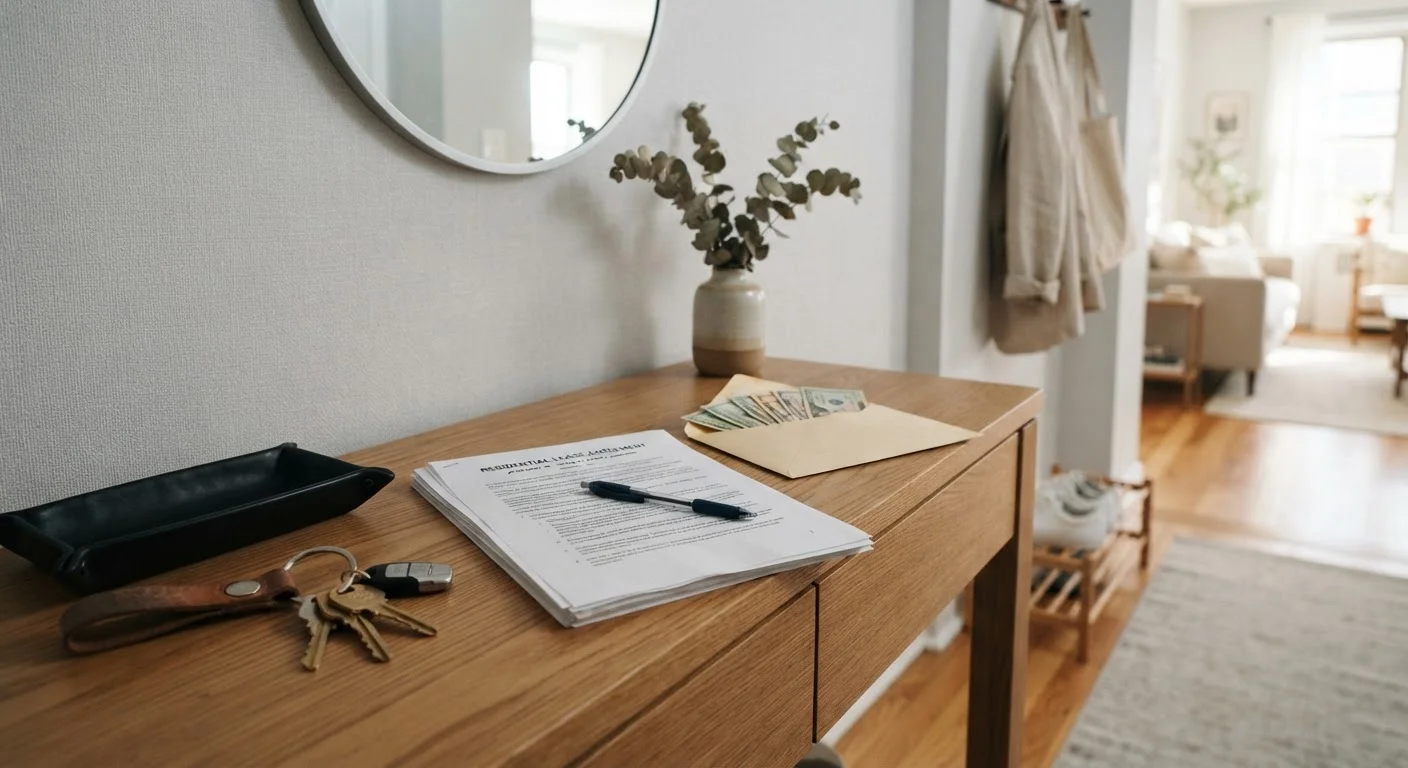
When you sign a lease, your landlord will typically ask for the security deposit before — or at the same time as — handing over the keys. The amount is almost always set in the lease and, in many states, capped by law. A common benchmark is one month's rent, though landlords may charge up to the legal maximum and some states allow higher amounts for furnished units or tenants with pets.
What happens to that money once it leaves your hands matters. Several states — including New York, New Jersey, and Massachusetts — require landlords to place deposits in a separate, interest-bearing bank account and to disclose where the funds are held. In some jurisdictions, tenants are entitled to the interest earned during their tenancy. Other states have no such requirement, and the landlord may simply hold the funds. Knowing your state's rule helps you ask the right questions before signing.
For a broader picture of the financial landscape when starting a rental, see our guide Renting for the First Time which covers deposits alongside utility setup and lease essentials.
State Laws Vary Significantly
Security deposit rules — including maximum amounts, holding requirements, and return deadlines — differ from state to state and sometimes city to city. Always verify the rules that apply to your specific location through your state attorney general's office or a local tenant rights organization before signing a lease or challenging a deduction.
What Landlords Can — and Cannot — Deduct
This is where most deposit disputes originate. Landlords are legally permitted to deduct for a defined set of reasons; they are not permitted to use the deposit as a general maintenance fund.
- Allowable deductions: Unpaid rent, damage caused by the tenant or their guests (holes in walls, broken fixtures, pet stains), excessive cleaning if the unit is left in an unusually dirty condition, and costs tied to documented lease violations such as unauthorized subletting.
- Not allowable: Normal wear and tear — which includes minor scuffs on walls, small nail holes from picture hanging, faded paint, and carpet worn from ordinary foot traffic. These are considered the cost of renting out a property.
The line between damage and wear and tear is genuinely gray in some cases, and landlords sometimes push past it. Why renters lose their security deposit breaks down the most common deduction disputes and how to avoid them.
Document Everything in Writing
Even routine conversations with your landlord about repairs or damage should be followed up with a brief email summarizing what was discussed. Written records create a paper trail that protects you if a dispute arises at move-out. A text message or email is far more useful in small claims court than a verbal agreement.
Protecting Your Deposit from Day One
The single most effective action you can take is documenting the unit's condition before you unpack a single box. A thorough move-in inspection — with timestamped photos or video of every room, appliance, wall surface, and fixture — creates a clear record of any pre-existing damage. Without this documentation, a landlord can credibly claim that damage existed when you left, even if it was there when you arrived.
Our move-in inspection checklist provides a room-by-room guide to what to document. Key steps include:
- Walk the unit with the landlord present when possible and ask them to sign the completed inspection form.
- Photograph all damage, stains, and broken items with a date-stamped device.
- Email copies of photos to yourself and to the landlord immediately — creating a dated paper trail.
- Keep copies of all written communication with your landlord throughout the tenancy.
If you have pets, review our separate guide on pet deposits and lease restrictions, since pet-related terms often affect how deposit deductions work at move-out.
Getting Your Deposit Back After Move-Out
When your tenancy ends, give proper written notice as required by your lease, return all keys, and leave the unit as clean and intact as you found it. Once you move out, your landlord's clock starts ticking. Most states require the deposit to be returned — along with an itemized list of any deductions — within 14 to 30 days. California allows 21 days; Texas requires 30 days. Missing this deadline is itself a violation in most states and can expose the landlord to penalties.
If deductions are made, the landlord must generally provide receipts or invoices for any repair work claimed. Vague descriptions like "cleaning fee: $200" without supporting documentation are challengeable.
14–45 days
Typical state deadline to return a deposit
State landlord-tenant statutes set the return window; many states default to 21 or 30 days after the tenant vacates.
2–3×
Penalty multiplier for wrongful withholding
Many U.S. states allow tenants to sue for double or triple the wrongfully withheld deposit amount if landlords miss the return deadline or make bad-faith deductions.
1–2 months
Common statutory deposit cap
Most states that impose a cap limit deposits to one or two months' rent, though exact limits vary and some states impose no cap at all.
If the full deposit is not returned and you believe deductions are improper, follow these steps:
- Send a formal written demand letter by certified mail, citing the specific state law and your move-out date.
- If that fails, file a claim in small claims court. Many states award two to three times the wrongfully withheld amount as a penalty, making this a meaningful remedy.
- Check whether your state has a tenant rights hotline — many do — for free guidance before filing.
Understanding your broader rights as a tenant is equally important. Renter's rights most tenants don't know they have outlines protections that apply in most U.S. states and that many renters never use.
This article is for general informational purposes only and does not constitute legal or financial advice. Landlord-tenant laws vary by state and locality. Consult a licensed attorney or local tenant rights organization for guidance specific to your situation.