

Key Takeaways
Why Fit Is the Foundation of Everything
No matter the price tag, a garment that doesn't fit well tends to look off — and one that fits beautifully can look expensive even when it wasn't. Fit is genuinely the single biggest lever you have over how you look in clothes.
Start by understanding your body's proportions rather than chasing a size label. Sizing varies enormously between brands, so focus on how a piece sits at the shoulder (for tops and jackets, this seam should land right at the edge of your shoulder), how fabric drapes through the torso, and whether the length suits your frame. A tailor can make surprisingly affordable adjustments — hemming trousers, taking in a waist, or tapering a sleeve — that transform a good garment into a great one.
When trying on a blazer or structured jacket, always button it and move your arms forward — if the back rides up significantly, the fit across the shoulders is wrong and tailoring won't fully fix it.
Shoulder fit is the one dimension that is genuinely difficult and expensive to alter; every other dimension is more forgiving and worth investing in when the shoulder is right.
Before buying, wash a fabric swatch or a small hidden section of a thrifted garment to test colorfastness — it saves the frustration of a beautiful piece bleeding onto everything else in the laundry.
Colorfastness varies significantly across dyes and manufacturing processes, and this simple test prevents ruined clothes and wasted money.
For a deeper dive into building a wardrobe that genuinely reflects who you are, see our guide to curating a wardrobe that actually reflects you.
Choosing Fabrics That Work in Real Life
Fabric choice is about more than aesthetics — it determines how comfortable you'll be throughout a full day and how a piece holds up after dozens of washes. Natural fibers like cotton, linen, and wool breathe well and tend to age gracefully with care, though they often need more attention (ironing, hand-washing). Synthetic blends — polyester-cotton mixes, for instance — resist wrinkles and hold color longer, making them practical for busy schedules.
A few rules of thumb: look for tighter weaves in items that get heavy use (trousers, workwear), since they resist pilling and abrasion better. For warm weather, prioritize breathable, lightweight fabrics. For layering pieces like cardigans or blazers, a modest wool or cotton blend holds its shape well through seasons.
Size Labels Are Just Numbers
Clothing sizes are not standardized across brands or countries, and they shift over time. A size on a label tells you nothing meaningful about your body — it's simply a starting point for finding what fits. Focus on how a garment feels and moves, not on the number or letter inside the collar.
Understanding your fabric options also helps you shop smarter and avoid impulse purchases that won't survive regular wear — a consideration worth pairing with the practical money habits covered in Everyday Money Moves.
Building a Color Strategy That Actually Works
A cohesive color palette is the quiet engine behind a wardrobe where everything seems to go together. You don't need to dress in one color — you need a palette with a logical relationship between pieces.
A practical approach: choose two or three neutrals as your base (navy, grey, camel, black, white, or tan are perennial workhorses) and one or two accent colors that genuinely excite you. Items in this palette will naturally coordinate, multiplying your outfit options without requiring you to own more clothes. When considering accent colors, think about which shades complement your natural coloring — your skin tone, hair, and eyes — since those tend to make you look more vibrant.
~33
Items in a curated capsule wardrobe
Fashion minimalists and stylists commonly suggest that a well-chosen wardrobe of around 33 pieces can cover most daily outfit needs across a season.
80/20
Clothes worn vs. owned ratio
A widely cited rule in wardrobe psychology suggests most people wear about 20% of their clothing 80% of the time, highlighting the value of intentional curation.
For a full exploration of how style serves as personal expression — including color psychology and cultural context — the complete picture of self-expression through style is worth bookmarking.
Outfit Building: From Basics to Polished Looks
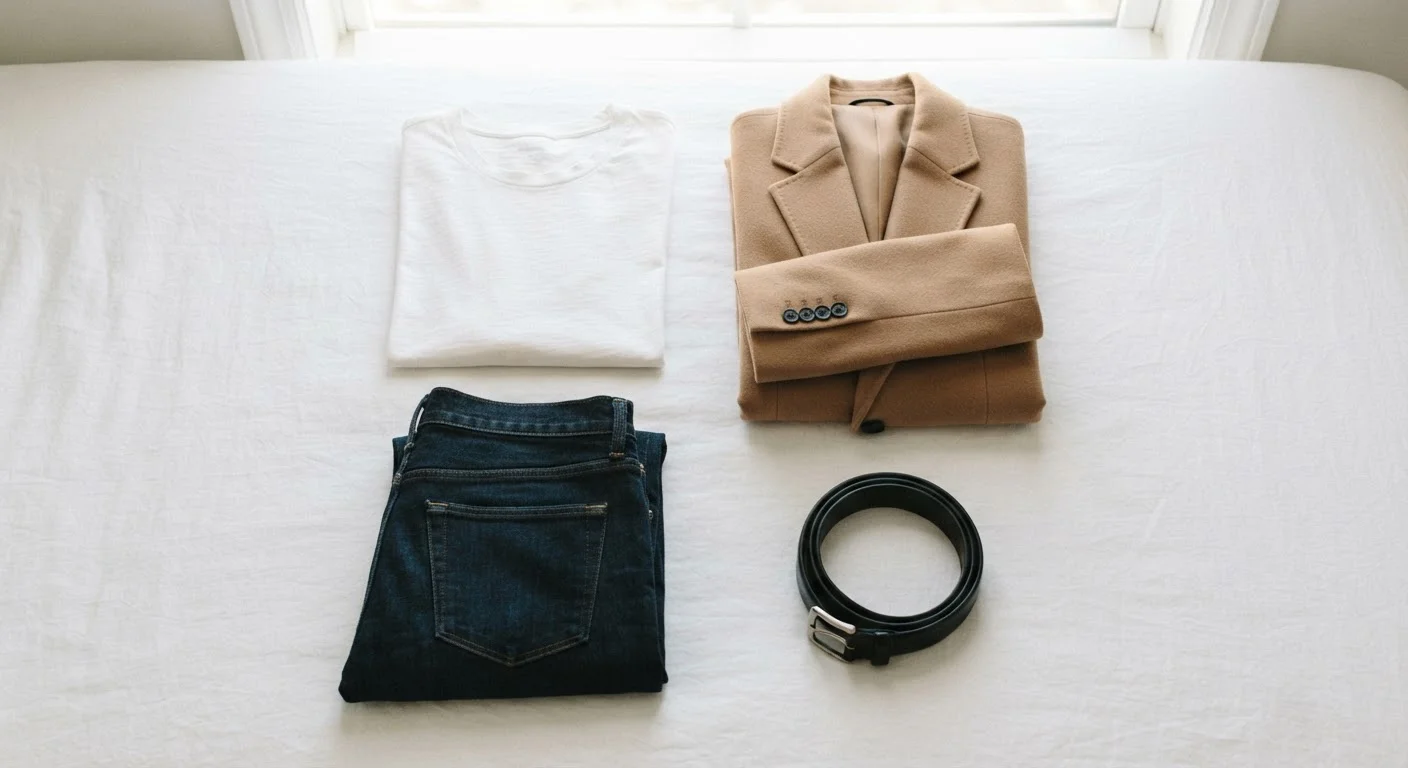
The most versatile wardrobes are built on a core of adaptable pieces — a well-fitted dark jean, a crisp white or neutral tee, a structured layer (blazer, cardigan, or denim jacket), and comfortable but polished footwear. From these anchors, you can build dozens of distinct outfits by rotating in accent pieces and accessories.
Think in terms of outfit formulas rather than memorizing specific combinations. A formula like "fitted base + relaxed layer + clean footwear" works across seasons and occasions. Varying textures within a muted palette adds visual interest without requiring bold colors. Tucking in a shirt, rolling sleeves, or belting a loose piece are free, instant styling adjustments that change the feel of an outfit entirely.
Try the One-Week Outfit Test
Before declaring a new piece a wardrobe staple, style it five different ways in your existing wardrobe. If you can't find at least three combinations that work, it may not be versatile enough to justify its closet space. This mental exercise prevents impulse purchases that look appealing on the hanger but never get worn.
Finishing Details That Elevate Any Outfit
Accessories and finishing touches are often where an outfit moves from fine to genuinely sharp. A belt worn at the natural waist creates definition; a scarf adds color and texture; well-maintained shoes signal care and attention in ways people register even subconsciously.
You don't need a large accessories collection — a few quality pieces that suit your palette go further than many mismatched ones. Pay attention to proportion: a chunky knit deserves a simpler necklace; a streamlined blazer can handle a bolder earring. Keeping jewelry, bags, and shoes clean and in good repair matters as much as the pieces themselves.
Shoe Care Makes a Bigger Impact Than Most Realize
Scuffed, run-down, or dirty shoes undermine even the most carefully chosen outfit — they're among the first things people notice. Wiping down leather shoes after each wear, using shoe trees to maintain shape, and resoling quality footwear before the heel wears through are habits that dramatically extend usable life. A modest investment in basic shoe care supplies pays for itself quickly in shoes that look better and last longer.
Caring for Your Wardrobe So It Lasts
Garment care is one of the most underrated parts of dressing well, and neglecting it costs money over time. Read care labels before washing anything — many garments labeled "dry clean" can actually be hand-washed gently; others labeled "machine wash" will shrink or pill if dried on high heat.
Wash clothes less frequently than you might think necessary (airing out garments between wears extends their freshness), use the gentlest effective cycle, and air-dry when in doubt. Store knitwear folded rather than hung to prevent stretching; hang structured pieces like blazers on shaped hangers to preserve their form. Deal with stains promptly — the longer a stain sets, the harder it becomes to remove.
Garment Care Symbol Guide
A reference guide to laundry symbols found on clothing labels, helping you decode washing, drying, and ironing instructions to protect your garments.
Capsule Wardrobe Planner
A fillable planning template for mapping out a seasonal capsule wardrobe, tracking what you own, what you need, and how pieces connect.
Color Wheel & Palette Tool
An interactive color wheel tool that helps you identify complementary, analogous, and neutral color combinations to build a cohesive personal palette.
Taking good care of your clothes is a straightforward way to stretch your clothing budget further — part of a broader mindset of making thoughtful, lasting everyday decisions.