

Key Takeaways
Our Verdict
Costa Rica and Ecuador are both world-class eco-tourism destinations, but they serve different traveler profiles. Costa Rica offers polished, easy-to-navigate nature experiences ideal for first-timers, while Ecuador rewards adventurous planners with unmatched ecological variety across four distinct regions.
| Best for | Recommended |
|---|---|
| First-time eco-tourists seeking accessible infrastructure | Costa Rica |
| Travelers wanting maximum biodiversity across multiple ecosystems | Ecuador |
| Those drawn to iconic, once-in-a-lifetime wildlife encounters | Ecuador (Galápagos Islands) |
| Independent travelers preferring flexible, self-guided itineraries | Costa Rica |
Two Countries, Two Philosophies
Latin America is home to some of the planet's most biodiverse landscapes, and Costa Rica and Ecuador sit near the top of every nature traveler's wish list. But while both countries are deeply committed to conservation, how they deliver that experience to visitors is remarkably different.
Costa Rica built its eco-tourism model on accessibility. Since the 1980s, the country has deliberately developed a network of lodges, guided trails, and national parks designed to welcome international visitors with varying experience levels. Ecuador, by contrast, offers a mosaic of four distinct natural zones — the Coast, the Andes highlands, the Amazon basin, and the Galápagos Islands — each requiring its own planning and, in some cases, its own permits.
Understanding these differences is essential before you book. For a broader look at how international destinations compare to domestic options on cost and experience, see our comparison of national parks and international destinations.
| Costa Rica | Ecuador | |
|---|---|---|
| Ecosystem variety | Rainforest, cloud forest, coastline | Amazon, Andes, Coast, Galápagos |
| Visitor infrastructure | Highly developed, easy to navigate | Varies by region; guides often essential |
| Iconic wildlife | Quetzals, sloths, macaws, sea turtles | Giant tortoises, marine iguanas, boobies |
| Independent travel ease | High — car rental and trails widely accessible | Moderate — Amazon and Galápagos require operators |
| Relative trip cost | Moderate to high | Moderate mainland; high with Galápagos |
| Best for | First-timers, flexible itineraries | Multi-ecosystem adventurers, bucket-listers |
Costa Rica: The Eco-Tourism Benchmark
Costa Rica covers less than 0.03% of Earth's surface yet shelters an estimated 5% of global biodiversity. That staggering density, paired with decades of eco-tourism investment, makes it one of the most visitor-friendly nature destinations anywhere in the world.
The country's national park system protects roughly 26% of its land area. Destinations like Monteverde Cloud Forest Reserve, Manuel Antonio National Park, and Tortuguero — famous for sea turtle nesting — are well-staffed, clearly signed, and easy to reach by public transport or rental car. English is widely spoken in tourist areas, and a robust network of certified eco-lodges means travelers can immerse in nature without sacrificing comfort.
Wildlife watching is a genuine highlight: scarlet macaws, resplendent quetzals, sloths, howler monkeys, and poison dart frogs are regularly spotted. The dry season (roughly December through April) offers the most reliable wildlife viewing and fewer logistical hurdles.
Time Your Visit Around Wildlife Priorities
In Costa Rica, sea turtle nesting at Tortuguero peaks between July and October, while quetzal sightings are most reliable during the February to April nesting season. In Ecuador, whale watching along the Pacific coast is typically strongest from June through September. Aligning your itinerary with these natural cycles can dramatically enhance your experience.
Ecuador: Four Worlds in One Country
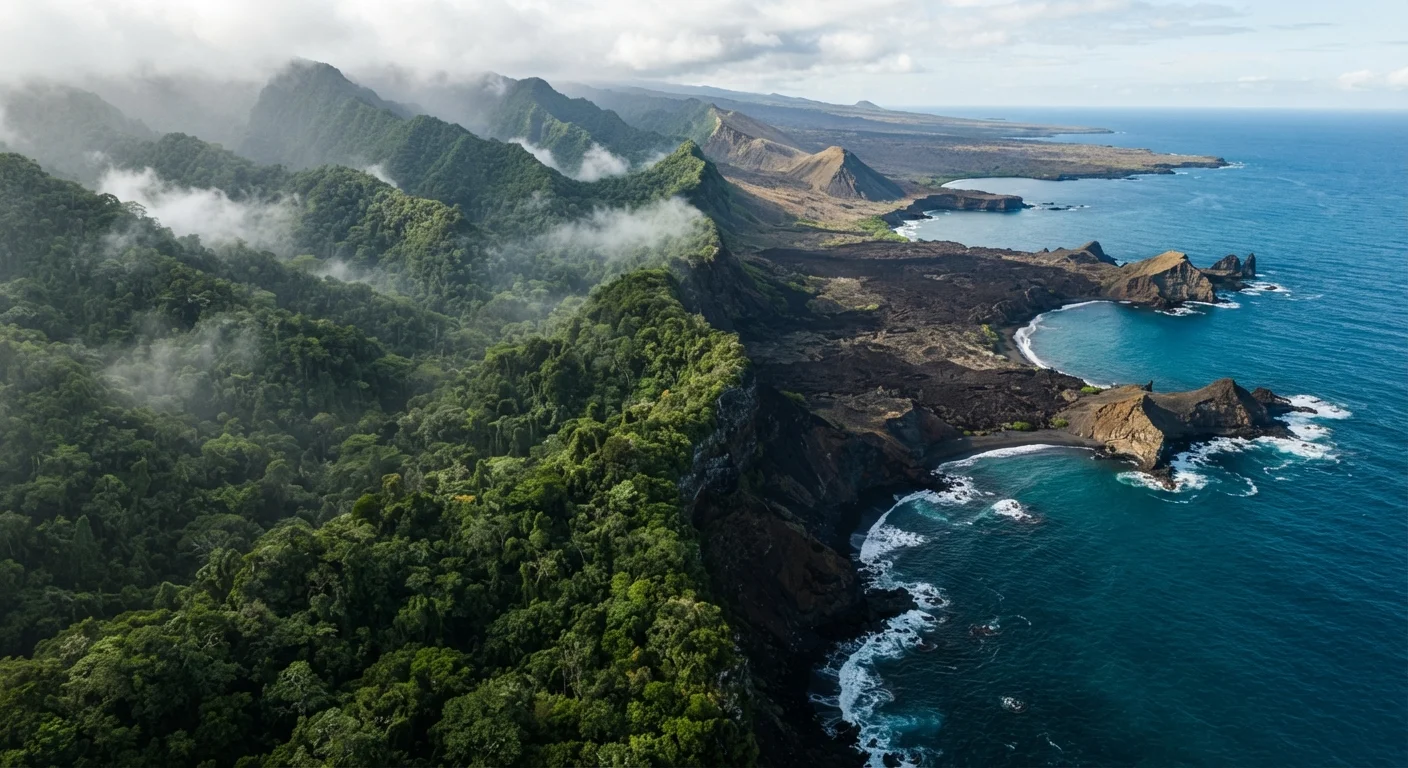
Ecuador's pitch to eco-travelers is almost unfair in its ambition: visit one country and experience four entirely different ecosystems. The Andean highlands host cloud forests, volcanic peaks, and indigenous market towns. The Amazon rainforest — accessed through cities like Tena or Coca — offers immersive jungle lodges and river expeditions. The Pacific coast draws surfers, whale watchers, and mangrove explorers. And then there are the Galápagos Islands.
The Galápagos are arguably the most famous wildlife destination on Earth. The islands' isolated evolution produced species — giant tortoises, marine iguanas, blue-footed boobies — found nowhere else. However, visiting requires a National Park entrance fee (currently over $100 USD for most international travelers), and island-hopping is typically done via regulated cruise or day-tour, adding meaningful cost and planning complexity.
Mainland Ecuador is considerably more affordable and logistically straightforward than the Galápagos, and it rewards travelers who invest time with local guides — particularly in the Amazon, where indigenous-led tour operators provide both ecological depth and direct community benefit.
~26%
Costa Rica's protected land area
Costa Rica has set aside more than a quarter of its total land area within national parks and protected reserves.
4
Distinct ecosystems in Ecuador
Ecuador is one of the few countries on Earth where travelers can move between Amazon rainforest, Andean highlands, Pacific coast, and oceanic islands within a single trip.
5%
Share of global biodiversity in Costa Rica
Despite its small size, Costa Rica is estimated to host around 5% of the world's total species, making it one of the most biodiverse nations per square kilometer.
Planning, Cost, and Practicalities
Costa Rica tends to be more expensive than many Latin American neighbors due to its mature tourism infrastructure, but the trade-off is convenience. Rental cars are widely available, roads to most national parks are manageable, and a first-time visitor can assemble a solid itinerary without a specialized operator.
Ecuador's mainland is often more affordable on a day-to-day basis, but a Galápagos extension pushes overall trip costs significantly higher. Multi-region itineraries also require more careful logistics — moving between the Amazon, Andes, and Galápagos involves domestic flights and advance booking for regulated activities.
Both countries have well-established wet and dry seasons that affect wildlife visibility and road conditions. Travelers should verify entry requirements, any health documentation, and current travel advisories through official government sources before finalizing plans, as these details can change.
If you're weighing how to structure accommodations for either trip, our guide to all-inclusive resorts and room-only versus all-inclusive comparison offer useful framing for budgeting and flexibility decisions.