

Key Takeaways
Why Low-Impact Doesn't Mean Low-Value
The word "low-impact" sometimes gets misread as "easy" or "not serious." In reality, it simply means less force transmitted through your joints during movement — a distinction that matters enormously for anyone managing joint pain, recovering from injury, returning to activity after time off, or simply wanting exercise they can sustain for decades rather than weeks.
Low-impact exercise still elevates your heart rate, builds muscle, improves flexibility, and supports mental well-being. What changes is the mechanical load on your knees, hips, and spine. That reduction in stress is precisely what makes these options so valuable for a wide spectrum of people — from beginners just building an exercise habit to older adults, to athletes using gentler modalities for active recovery.
The five options below cover a range of formats, settings, and physical demands. Understanding what each actually does — and who it suits best — helps you move more with intention rather than just obligation.
Matching Exercise to Your Current Reality
Your best low-impact option isn't necessarily the one with the longest list of benefits — it's the one that fits your schedule, physical situation, and access. A consistent 30-minute walk five days a week will outperform a theoretically superior swim session you never make it to. Start with what's genuinely sustainable, then layer in variety as the habit solidifies.
Five Low-Impact Options Worth Knowing
Swimming
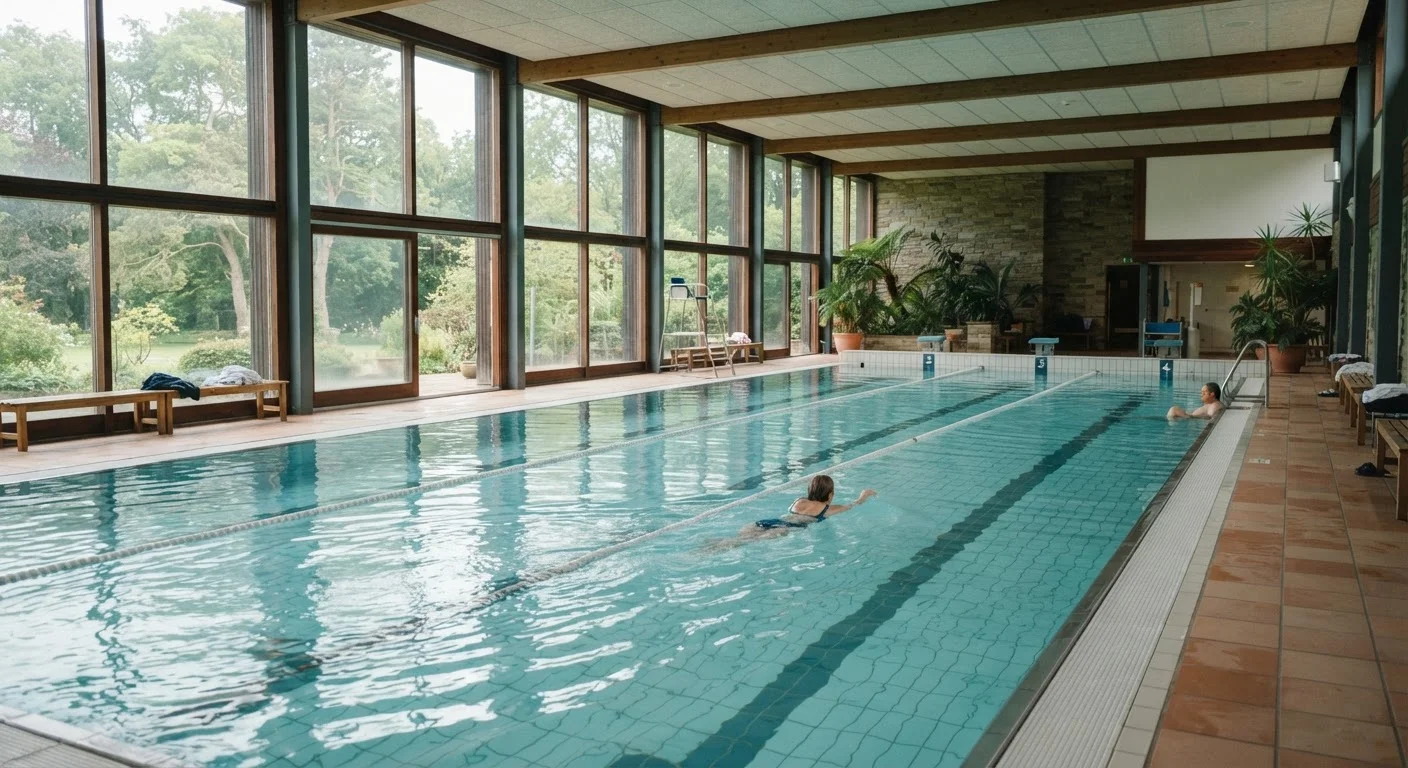
Water supports up to 90% of your body weight when you're submerged to the neck, which means swimming places dramatically less stress on joints than most land-based exercise. At the same time, moving through water provides resistance in every direction, making it simultaneously a cardiovascular and muscular workout.
Best suited for: People with arthritis, joint replacements, or chronic lower back pain; anyone in rehabilitation from injury; older adults; and those looking for full-body conditioning without impact. Swimming is also one of the few exercises that loads the upper body extensively — something cycling and walking don't do as thoroughly.
Worth noting: Access to a pool is a practical barrier for many people, and learning proper stroke technique matters to avoid shoulder strain over time. Water temperature and chlorine sensitivity are also real considerations for some individuals.
Water supports up to 90% of body weight, making swimming one of the most joint-friendly full-body workouts available.
Cycling (Stationary or Outdoor)
Cycling keeps your feet in contact with pedals at all times, eliminating the repetitive ground-impact forces that running produces with every stride. It trains the cardiovascular system effectively across a wide range of intensities — from a gentle recovery spin to sustained aerobic effort that overlaps with Zone 2 cardio training.
Best suited for: People with knee, hip, or ankle discomfort; those wanting controllable intensity; commuters integrating movement into daily life; and anyone who finds walking insufficient for cardiovascular challenge but needs to avoid running.
Worth noting: Bike fit matters significantly. Poor saddle height or handlebar position can create new knee or back strain over time. For stationary bikes, resistance and cadence settings determine how demanding the session actually is — the machine itself isn't inherently a hard or easy workout.
Cycling eliminates ground-impact forces entirely, making it an effective cardiovascular option even for those with significant joint sensitivity.
Yoga
Yoga encompasses a wide range of practices — from restorative sessions focused on gentle stretching and breathwork to more physically demanding styles like vinyasa or Ashtanga that build significant strength and balance. The common thread is intentional, controlled movement combined with breath awareness, which also makes it one of the more accessible tools for stress management and mental well-being.
Best suited for: People seeking flexibility, balance, and body awareness; those managing stress or anxiety; older adults at risk of falls (balance-focused practices); and anyone who benefits from mind-body connection in exercise. Yoga also pairs well with other exercise forms as a complement, particularly for mobility and stretching work.
Worth noting: Not all yoga styles are equally low-impact. Hot yoga significantly elevates cardiovascular demand and may not be appropriate for everyone. Beginners should seek instruction from a qualified teacher to avoid overstretching or misaligned load through joints.
Yoga's range of styles means it can serve as gentle recovery or a genuine strength-and-balance challenge, depending on how it's practiced.
Walking
Walking is low-impact relative to running but does still involve ground-reaction forces — making it slightly more demanding on joints than swimming or cycling, yet far more accessible than either. Its primary advantages are cost-free entry, no equipment requirement beyond supportive footwear, and near-universal applicability across age groups and fitness levels.
Best suited for: True beginners, older adults, those managing weight, people looking to reduce sedentary time during desk-heavy workdays (see: strategies for sedentary schedules), and individuals in early-stage cardiac rehabilitation where prescribed. Brisk walking can meet moderate-intensity aerobic guidelines for many adults.
Worth noting: Walking alone may not provide sufficient cardiovascular challenge for fit individuals or adequate muscular load for strength maintenance as people age. A complete look at walking as exercise covers its realistic ceiling and how to maximize its benefits.
Walking remains one of the most accessible entry points to regular movement, with documented benefits across a wide range of health outcomes.
Water Aerobics
Water aerobics combines the joint-protective buoyancy of aquatic exercise with structured group movement — typically including cardiovascular intervals, resistance work using water's drag, and balance challenges. It differs from swimming in that participants generally remain upright and don't need to know specific stroke techniques.
Best suited for: Older adults, people with osteoporosis or arthritis, those who want a social exercise environment, and anyone who finds swimming laps monotonous. Prenatal and postnatal exercise classes in aquatic settings also fall into this category, though individuals should always consult their obstetric care provider before participating.
Worth noting: Perceived effort in water can be lower than actual physiological demand — participants sometimes underestimate how hard they're working because they don't sweat visibly. Hydration before and after sessions still matters. Intensity varies significantly between classes, so it's worth understanding what a given session actually involves before assuming it meets specific fitness goals.
Water aerobics delivers real cardiovascular and resistance training benefits without requiring swimming proficiency or high joint load.
A Note on Intensity and Health Conditions
"Low-impact" describes joint stress, not cardiovascular or muscular intensity. Cycling at high resistance or advanced yoga can be demanding in ways that matter for people with certain health conditions. If you're managing a heart condition, osteoporosis, pregnancy, or recovering from surgery, the right exercise modality and intensity level should be discussed with your healthcare provider rather than determined by general guidance alone.
Putting It Together
The most effective exercise plan is one you'll actually follow. For many people, that means choosing movement that doesn't feel punishing — and low-impact formats offer exactly that without sacrificing real physiological benefit. Research consistently suggests that consistency matters more than intensity for long-term health outcomes, which is a strong argument for finding something gentler that you'll do repeatedly rather than something intense you'll dread.
You can also combine modalities. Yoga on rest days, cycling for cardio, and water aerobics for variety isn't an arbitrary mix — it's a thoughtful strategy that keeps your body adapting and reduces the monotony that derails so many routines. If you're working primarily from home or an office setting, these options translate well across both environments; our comparison of home and gym workouts can help you think through what's realistic given your setup.
This article is for general informational purposes only and is not a substitute for professional medical advice. Speak with a qualified healthcare provider before beginning any new exercise program, particularly if you have existing health conditions, joint concerns, or have been inactive for an extended period.