

Key Takeaways
Our Verdict
Neither ship-organized excursions nor independent exploration is universally superior — the right choice depends on the destination, your travel style, and how much risk you're comfortable managing. Ship tours shine in logistically complex or remote ports, while independent exploration rewards curious, self-sufficient travelers in easy-to-navigate destinations.
| Best for | Recommended |
|---|---|
| First-time cruisers or those visiting a port for the first time | Ship-Organized Tours |
| Budget-conscious travelers in walkable, tourist-friendly ports | Independent Exploration |
| Expedition or tender ports with limited infrastructure | Ship-Organized Tours |
| Repeat visitors who know the destination well | Independent Exploration |
The Shore Excursion Decision Every Cruiser Faces
When your ship pulls into port, one of the most satisfying — and occasionally stressful — decisions you'll make is how to spend those precious hours ashore. Do you join the organized excursion departing from the gangway, or do you slip past the tour group signs and chart your own course through town?
Understanding your cruise itinerary's port structure is a smart first step. Whether a port is a dock call or a tender port — where passengers are ferried ashore by small boat — can dramatically shape which option makes practical sense. In a tender port, for instance, timing and logistics can complicate independent plans in ways that rarely arise at a pier.
Both approaches have genuine merit. The key is matching your choice to the destination, your group's comfort level, and what you actually want out of the day.
Ship-Organized Tours: What You're Paying For
Cruise line excursions come pre-packaged with a significant advantage: the ship waits for you. If a shore excursion sold through the cruise line runs late, the ship holds departure. That guarantee doesn't extend to independently arranged activities, which makes ship tours especially appealing in ports where traffic or logistics are unpredictable.
Beyond timing protection, ship-organized tours typically include vetted guides, pre-arranged transportation, and a known group size. For first-time visitors to a destination — or travelers visiting somewhere with significant language barriers — that structure removes a lot of guesswork.
| Ship-Organized Tours | Independent Exploration | |
|---|---|---|
| Cost | Higher — includes cruise line markup | Lower — local rates, more negotiable |
| Ship departure guarantee | Yes — ship waits if tour runs late | No — missing ship is your responsibility |
| Flexibility | Low — fixed itinerary and pace | High — customize stops and timing |
| Group size | Often large (20–40+ passengers) | Small — just your party |
| Best for remote/tender ports | Strong fit — logistics handled | Challenging — limited local options |
| Planning effort required | Minimal — book through cruise line | Moderate to high — research needed |
The trade-offs are real, though. Ship tours are almost always more expensive than comparable locally arranged options. Groups can be large, commentary can be scripted, and the pace is set by the slowest member of the tour. You're also locked into a predetermined itinerary with little room to linger at a site that captivates you.
For expedition-style sailings — which operate under very different conditions than mainstream cruises — ship excursions are often the only viable option. See our guide to expedition and polar cruising for more on why remote destinations change the calculus entirely.
Independent Exploration: Freedom at a Price
Going independent means booking your own tours through local operators, hiring a taxi or driver at the pier, or simply walking out into the city on your own. The cost savings can be substantial — local operators frequently offer similar or superior experiences at a fraction of the ship's markup.
Research Local Operators Before You Sail
Many ports have established independent tour operators who specialize in serving cruise passengers with flexible, small-group experiences. Reading traveler forums and port-specific communities well before your sailing can help you identify reliable local guides. Booking in advance — rather than scrambling at the pier — gives you more options and better pricing. Always confirm cancellation policies and check that operators are aware of your ship's departure time.
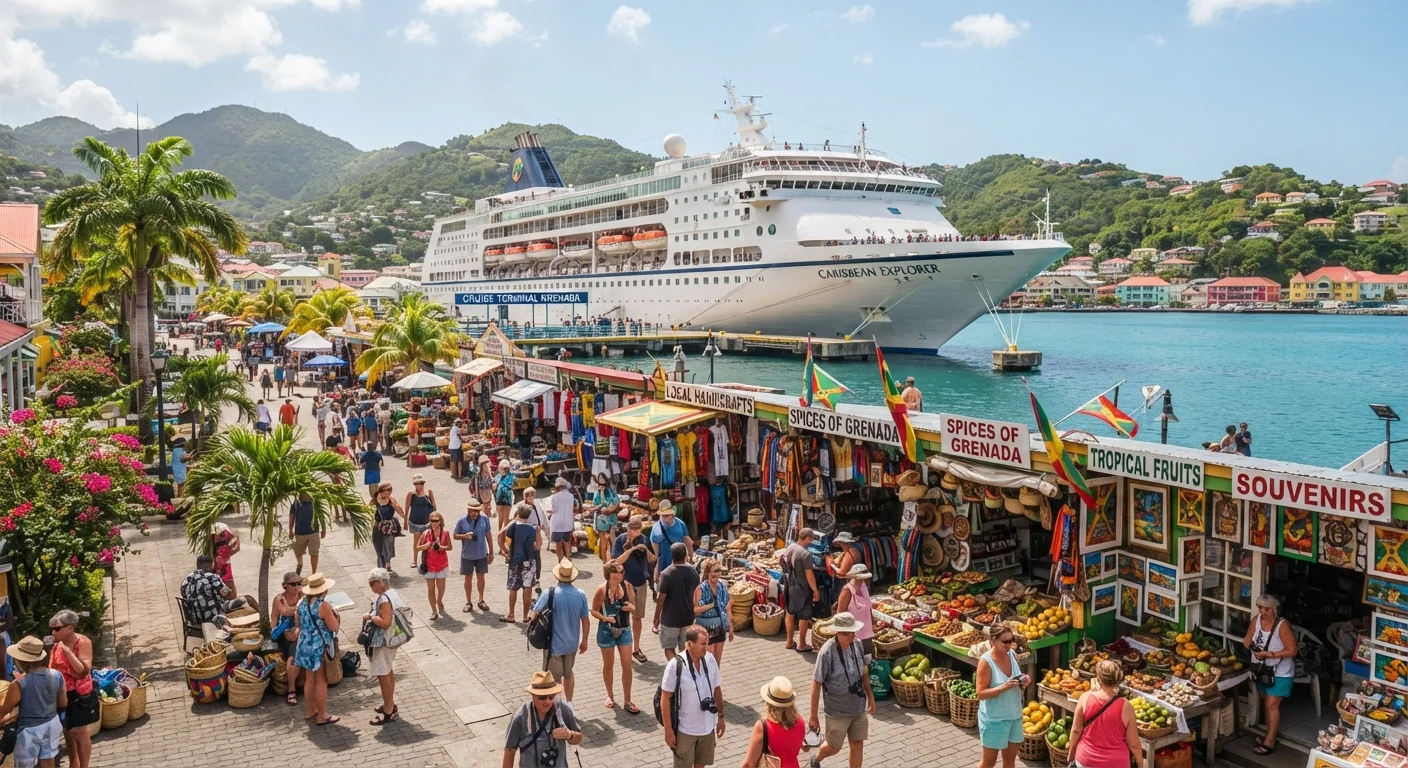
The freedom is the other draw. You can spend an extra hour at a cathedral, duck into a restaurant the ship tour never touches, or skip the souvenir market entirely. Repeat visitors to popular Caribbean, Mediterranean, or Alaskan ports often find that independent exploration transforms a familiar stop into something genuinely new.
The critical risk is the departure clock. If your independently arranged transport is delayed and you miss the ship, the cost of catching up — flights, hotels, and travel to the next port — falls entirely on you. Travelers who go independent should build meaningful buffer time before the ship's all-aboard cutoff.
It's also worth considering your group's composition. Traveling with young children, older adults, or anyone with mobility considerations may make the predictability of ship tours more valuable than the autonomy of going solo.
Port Context Changes Everything
Not all ports are created equal, and destination context should heavily influence your approach. In a walkable, well-marked port city like Dubrovnik or Nassau, independent exploration is low-risk and often more rewarding. In a port where the main attractions are far from the pier — or where local transportation is limited — ship tours can save you significant time and stress.
Some cruise lines serving niche or adventure-focused itineraries, like those detailed in our overview of cruise ship categories, operate in locations where independent activity simply isn't feasible. Remote Alaskan fjords, Antarctic landings, and certain Pacific island stops have no independent infrastructure waiting at the dock.
The All-Aboard Time Is Non-Negotiable
Cruise ships operate on strict departure schedules, and the all-aboard time posted each day is the absolute cutoff — not a suggestion. If you miss it while on an independent excursion, the ship will sail without you. The costs of rejoining the itinerary at the next port — airfare, hotels, ground transport — can quickly exceed the price of the entire cruise. Build at least 60–90 minutes of buffer between your planned return to the pier and the all-aboard time.
A practical middle-ground strategy many experienced cruisers use: book one or two ship excursions for ports that are genuinely complex, and go independent at ports where the main draw is accessible on foot. This hybrid model lets you capture the convenience where it matters most without paying ship-tour prices everywhere.
For a broader perspective on how structured versus unstructured travel trade-offs play out in other contexts, our piece on all-inclusive resorts covers similar themes around prepaid convenience versus independent flexibility.