

Key Takeaways
Start here
What Slow Travel Actually Means
Next
Why Slow Travel Has Gained Traction
Go deeper
How Slow Travel Works in Practice
Decide
Is Slow Travel Right for You?
What Slow Travel Actually Means
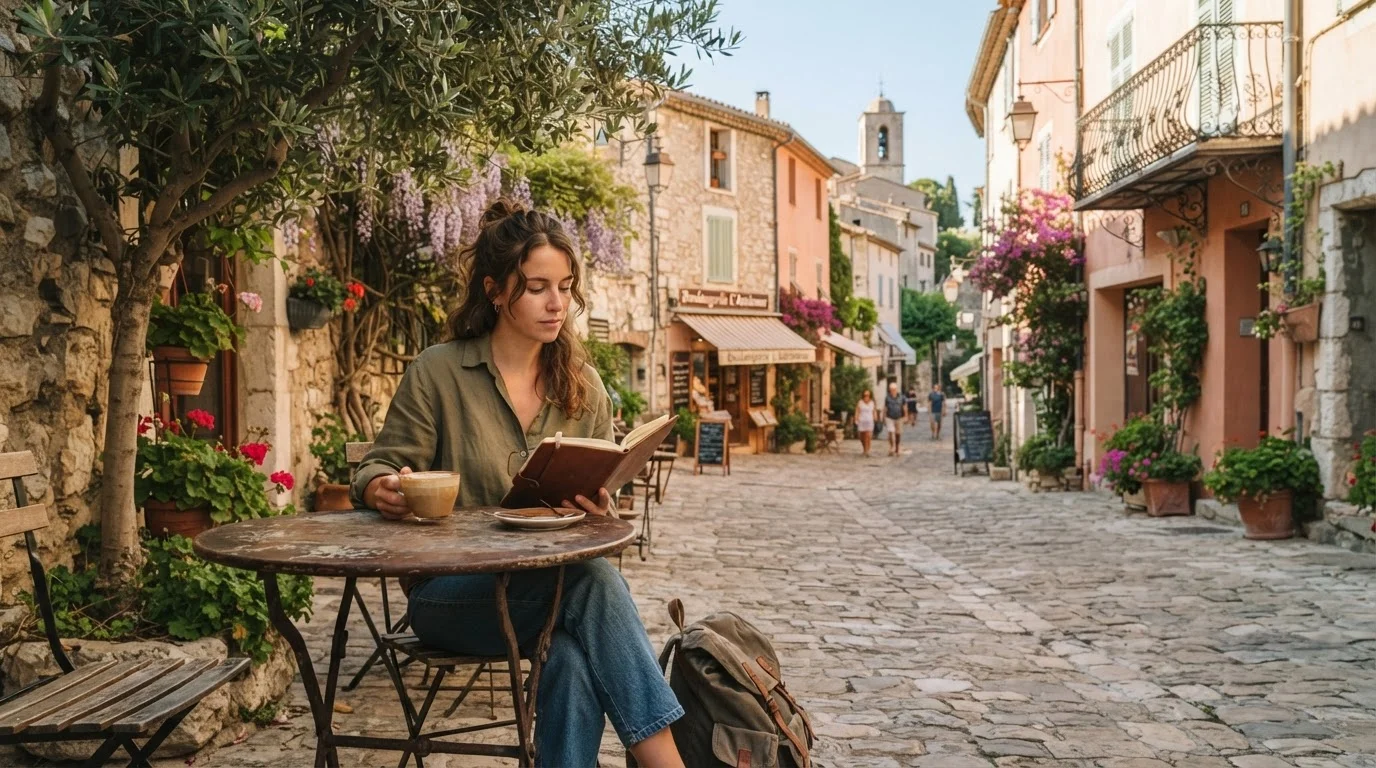
Slow travel isn't a tour package or a booking category — it's a philosophy about how you engage with a place. At its core, it means choosing depth over distance: spending meaningful time in fewer locations rather than sprinting through as many destinations as possible.
Slow travel
A travel philosophy that prioritizes spending extended time in fewer places, favoring cultural immersion and daily rhythm over a packed itinerary of destinations.
Overtourism
A situation where a destination receives more visitors than it can sustainably accommodate, leading to strain on infrastructure, local communities, and the environment.
Extended stay accommodation
Lodging designed for stays of a week or more, typically offering kitchen facilities, more living space, and weekly or monthly pricing — common choices for slow travelers.
Cultural immersion
Engaging with a destination's daily life, customs, and community on a deeper level than typical tourism allows — often the central goal of slow travel.
Itinerary
A planned schedule of activities, destinations, and travel logistics for a trip. Slow travelers typically keep their itineraries loose and flexible.
The term draws a deliberate contrast with the kind of trip where you're in Rome on Tuesday, Florence on Wednesday, and Venice on Thursday. Instead, a slow traveler might spend three weeks in Rome alone — discovering a neighborhood bakery, learning the rhythm of local market days, and actually getting a little lost without it feeling stressful.
Importantly, slow travel isn't defined by how far you go or how long your total trip lasts. Someone spending ten days entirely in one small coastal town is practicing slow travel. Someone bouncing between six cities in the same ten days is not — even if both trips cover the same geography. It's about intentionality and presence, not passport stamps.
Why Slow Travel Has Gained Traction
Growing interest in slow travel reflects broader cultural shifts. As overtourism — the strain caused by too many visitors concentrated in popular spots — has become a recognized problem, both travelers and destinations have started questioning the hit-list approach to tourism. Slow travel naturally distributes visitor impact and reduces the footprint of a single trip.
There's also a personal dimension. Many travelers return from fast-paced itineraries feeling like they need a vacation from their vacation. The appeal of genuinely resting in a place, rather than racing between it and the next one, is real and growing.
Start Small if You're New to It
You don't have to commit to a month abroad to try slow travel. Begin with a long weekend in a nearby city where you stay in one neighborhood, skip the tourist checklist, and simply explore at your own pace. This low-stakes experiment can reveal a lot about whether the philosophy resonates with you before you plan something larger.
Slow travel also tends to produce richer cultural encounters. When you're in a neighborhood long enough to become a familiar face at the coffee shop or to attend a local event, you experience a destination on its own terms rather than as a tourist spectacle. That connects naturally to the principles covered in respectful destination engagement — slowing down gives those principles room to actually take effect.
How Slow Travel Works in Practice
The logistics of slow travel differ from standard trip planning in a few key ways:
- Accommodation: Rather than hotels booked night-by-night, slow travelers often opt for furnished apartments, vacation rentals, or extended-stay hotels that offer weekly or monthly rates and kitchen facilities.
- Transportation: Fewer flights or long drives, more walking, cycling, and local transit. Getting around on foot or by bike also doubles as gentle daily movement — worth considering for anyone mindful of staying active while traveling.
- Itinerary structure: A loose framework rather than an hour-by-hour schedule. You might plan one or two anchoring activities per week but leave most days open to follow your curiosity.
- Budget rhythm: Costs shift — fewer booking fees and transport expenses, but a longer total commitment. Cooking some meals and shopping at local markets typically reduces food costs significantly.
Slow travel does require more flexibility than a conventional trip. It works best when you have discretionary time — whether through longer vacation leave, remote work arrangements, sabbaticals, or retirement. That said, even a single two-week slow trip to one destination can be a meaningful departure from the usual approach.
Is Slow Travel Right for You?
Slow travel genuinely suits some travelers better than others, and it's worth being honest about your own preferences before committing to the approach.
It tends to resonate strongly with people who get energized by routine and familiarity, enjoy unstructured time, want to move beyond surface-level tourism, or are open to the unexpected discoveries that come from having nothing on the agenda. It can be particularly rewarding for solo travelers, couples, and families with younger children who benefit from a more settled environment.
Time Flexibility Is a Real Consideration
Slow travel is genuinely easier to practice when you have extended time available — which isn't equally accessible to everyone. Remote work policies, sabbatical programs, and longer international vacation norms all factor in. If long stretches away aren't currently feasible, a single longer stay within a standard vacation window is still a valid starting point.
On the other hand, if you're motivated by variety, have dreamed of specific bucket-list destinations across multiple countries, or only have a week off at a time, slow travel may feel limiting rather than liberating. Neither approach is superior — they reflect different travel personalities and different life circumstances.
The most useful question isn't "is slow travel better?" but rather "what do I actually want from this trip?" If the answer involves immersion, genuine rest, and a sense of having lived somewhere briefly rather than visited it — slow travel is worth exploring seriously.
Cultural Etiquette Principles for Travelers
Slow travel puts you in closer contact with local communities. This guide on respectful cultural engagement is an essential companion for anyone planning an immersive stay.
Extended Stay Hotels Explained
Understanding how extended-stay accommodation works — including pricing models and what amenities to expect — helps slow travelers choose lodging that fits a longer-stay lifestyle.