Key Takeaways
Tangible connection to automotive history
Owning and driving a vehicle from a specific era provides a direct, physical link to design and engineering traditions that modern manufacturing cannot reproduce. Many owners describe this as genuinely meaningful, not merely nostalgic.
Strong, welcoming enthusiast community
Classic car clubs, rallies, and online forums are among the most active communities in the hobby world. Shared knowledge, parts sourcing help, and camaraderie are practical benefits, not just social ones.
Potential for value appreciation
Well-maintained, documented vehicles in sought-after segments have historically held or grown in value over time - unlike modern cars, which typically depreciate steadily. This is not guaranteed, but the possibility is real.
Distinctive, analog driving experience
Without electronic aids, classic vehicles communicate road feel and mechanical feedback directly to the driver. Many enthusiasts find this engagement more rewarding than driving contemporary vehicles.
Favorable insurance structures for low-mileage use
Agreed-value classic vehicle insurance policies can provide strong coverage at relatively modest premiums when the car is driven infrequently and stored securely - often cheaper than insuring a modern daily driver.
Higher and less predictable maintenance costs
Aging mechanical systems require more frequent attention, and repairs on classic vehicles often cost more than equivalent work on modern cars due to parts scarcity and specialist labor rates.
Parts sourcing is time-consuming and expensive
Many original components are no longer in production, requiring sourcing from specialty vendors, swap meets, or salvage - a process that can delay repairs by weeks and add significant expense.
Not practical as a primary daily driver
Most classic vehicles lack modern safety features, air conditioning performance, reliability margins, and fuel efficiency that everyday commuting demands. Using one as a sole vehicle introduces meaningful risk and inconvenience.
Storage requirements add cost and complexity
Proper long-term storage - climate-controlled, secure, with appropriate preparation - is essential to preserving condition. This requires either dedicated space or ongoing storage facility costs.
Value appreciation is speculative, not reliable
Classic car markets fluctuate with broader economic conditions, generational taste shifts, and collector trends. Purchasing primarily as a financial investment carries real risk of disappointment.
Significant personal time investment required
Between sourcing parts, managing maintenance, attending to storage, and keeping documentation current, classic ownership is effectively a part-time hobby commitment - not passive asset holding.
Our Verdict
Classic vehicle ownership delivers real rewards: a tangible connection to automotive history, a passionate community, and a driving experience modern cars rarely replicate. But those rewards come alongside real obligations - higher maintenance costs, parts sourcing challenges, and storage demands that can strain both time and budget. Neither side of that equation should be minimized.
Best suited to enthusiasts who are genuinely interested in the vehicle's history and mechanics, have realistic financial reserves for ongoing upkeep, and are willing to treat ownership as a hobby rather than purely a financial asset.
What Classic Vehicle Ownership Actually Involves
A classic vehicle - generally understood as a car or truck at least 25 years old with recognized historical or collector interest - is not a typical transportation investment. It is closer to a stewardship. The vehicle existed before you owned it, reflects an era of engineering and design that can no longer be replicated from the factory, and will require active attention to remain roadworthy and preserved.
Before evaluating the rewards and costs, it helps to understand the two broad ownership profiles. Some enthusiasts drive their classics regularly, accepting wear as part of the experience. Others pursue show-condition preservation, minimizing road use in favor of originality. The restoration approach you choose shapes every cost and reward that follows. Neither path is wrong - but each carries a distinct set of trade-offs.
If you are approaching this for the first time, the foundational guide for new enthusiasts covers how to select an era, understand mechanical basics, and set realistic expectations before any money changes hands.
The Real Rewards of Classic Ownership
The reasons people pursue classic vehicles are genuine and varied - and for the right owner, they far outweigh the friction.
Tangible connection to automotive history
Owning and driving a vehicle from a specific era provides a direct, physical link to design and engineering traditions that modern manufacturing cannot reproduce. Many owners describe this as genuinely meaningful, not merely nostalgic.
Strong, welcoming enthusiast community
Classic car clubs, rallies, and online forums are among the most active communities in the hobby world. Shared knowledge, parts sourcing help, and camaraderie are practical benefits, not just social ones.
Potential for value appreciation
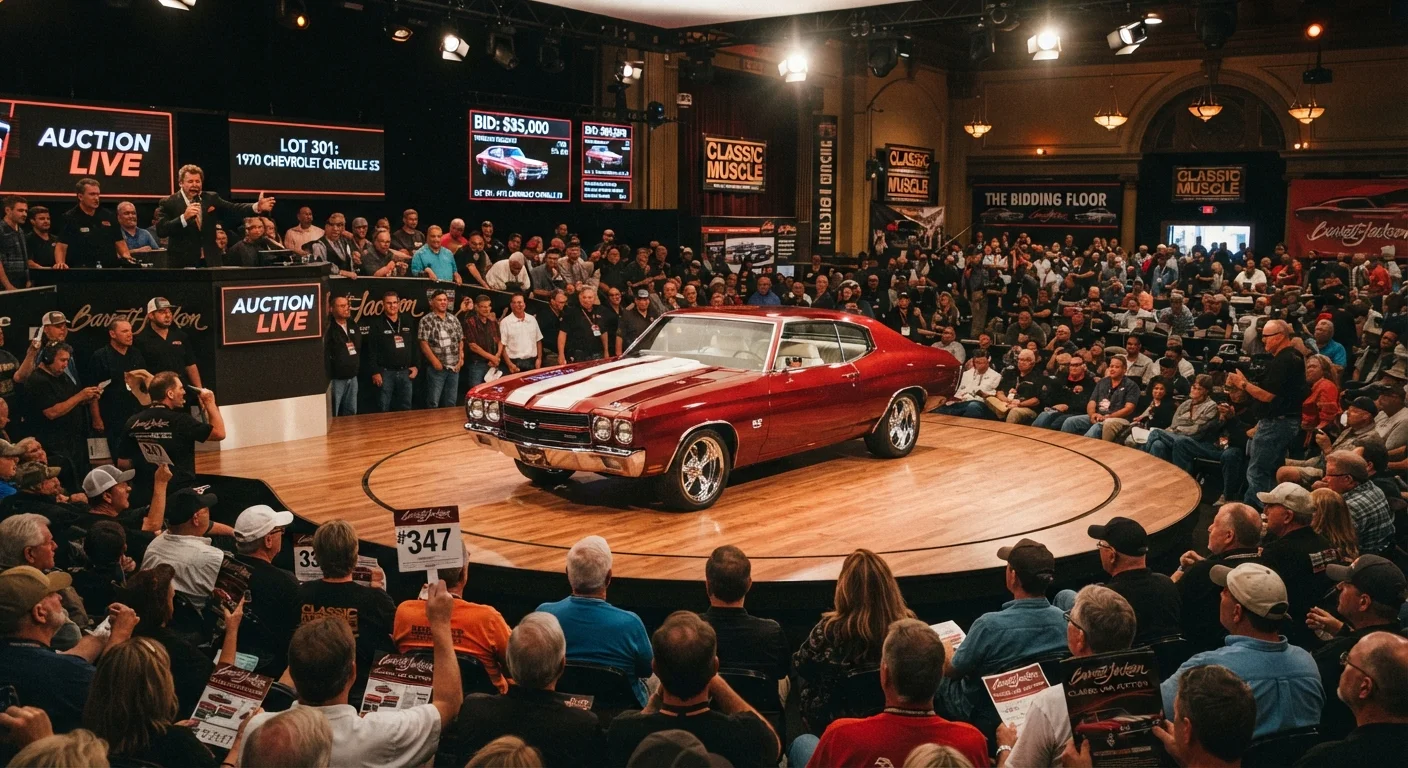
Well-maintained, documented vehicles in sought-after segments have historically held or grown in value over time - unlike modern cars, which typically depreciate steadily. This is not guaranteed, but the possibility is real.
Distinctive, analog driving experience
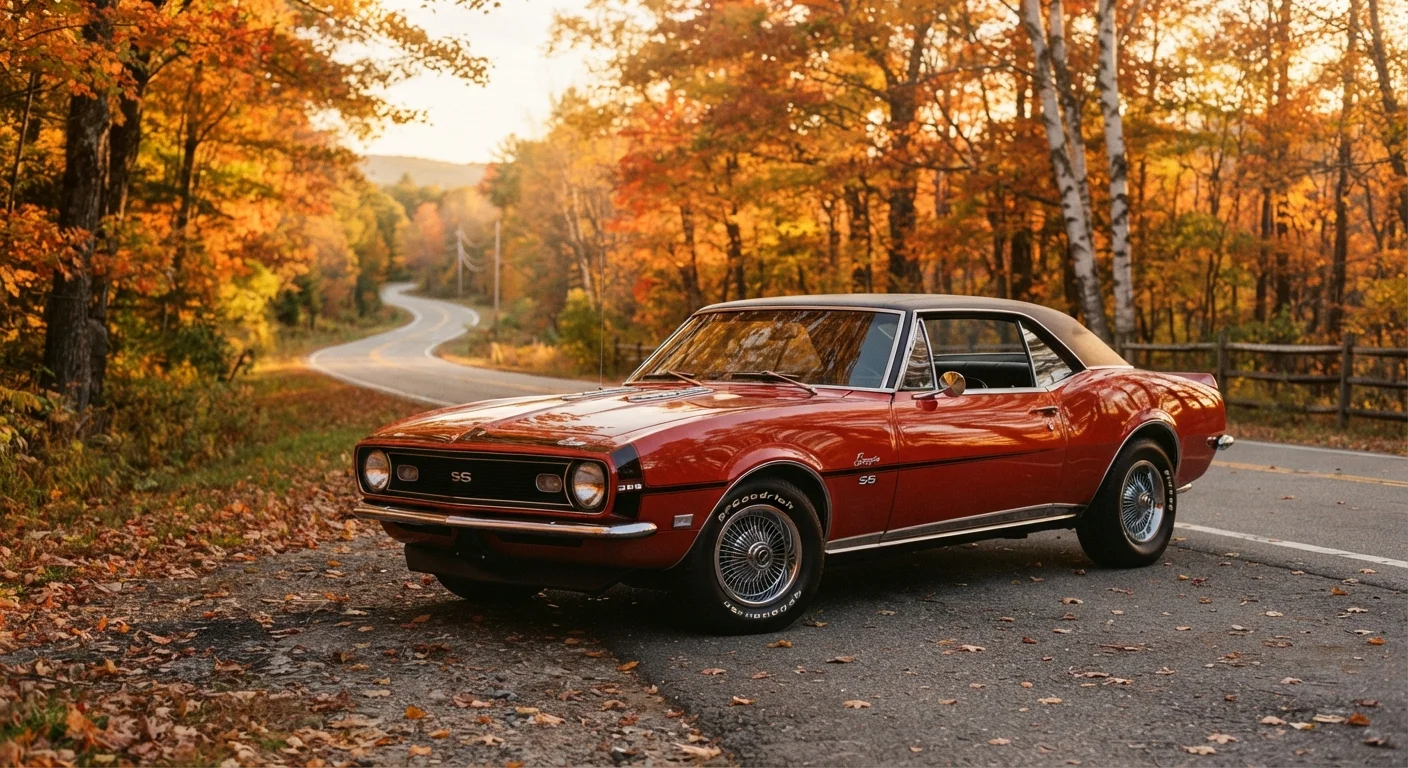
Without electronic aids, classic vehicles communicate road feel and mechanical feedback directly to the driver. Many enthusiasts find this engagement more rewarding than driving contemporary vehicles.
Favorable insurance structures for low-mileage use
Agreed-value classic vehicle insurance policies can provide strong coverage at relatively modest premiums when the car is driven infrequently and stored securely - often cheaper than insuring a modern daily driver.
The driving experience deserves particular emphasis. Without electronic driver aids, stability control, or power-assisted everything, older vehicles communicate directly through the steering wheel and pedals in ways that many enthusiasts find deeply satisfying. The engineering philosophies of different classic eras produced wildly different driving characters - from pre-war roadsters to 1970s sports cars - and that variety is part of the appeal.
On the value side, certain well-documented, numbers-matching vehicles in desirable segments have historically held or grown in value over time. However, this is emphatically not universal. The myths surrounding classic car values trip up many new collectors who assume rarity or age alone drives worth. Market conditions, condition documentation, provenance, and broader collector trends all play significant roles.
25+ years
Minimum age for collector vehicle classification
Many U.S. states use 25 years as the threshold for antique or historic vehicle registration, though definitions vary by jurisdiction.
~15%
Estimated share of classics needing major first-year work
Industry observers commonly note that a significant portion of classic vehicles sold privately require substantial mechanical or body work within the first year of new ownership.
The Real Costs - Financial and Otherwise
The costs of classic ownership extend well beyond the purchase price, and they are frequently underestimated by first-time buyers.
Higher and less predictable maintenance costs
Aging mechanical systems require more frequent attention, and repairs on classic vehicles often cost more than equivalent work on modern cars due to parts scarcity and specialist labor rates.
Parts sourcing is time-consuming and expensive
Many original components are no longer in production, requiring sourcing from specialty vendors, swap meets, or salvage - a process that can delay repairs by weeks and add significant expense.
Not practical as a primary daily driver
Most classic vehicles lack modern safety features, air conditioning performance, reliability margins, and fuel efficiency that everyday commuting demands. Using one as a sole vehicle introduces meaningful risk and inconvenience.
Storage requirements add cost and complexity
Proper long-term storage - climate-controlled, secure, with appropriate preparation - is essential to preserving condition. This requires either dedicated space or ongoing storage facility costs.
Value appreciation is speculative, not reliable
Classic car markets fluctuate with broader economic conditions, generational taste shifts, and collector trends. Purchasing primarily as a financial investment carries real risk of disappointment.
Significant personal time investment required
Between sourcing parts, managing maintenance, attending to storage, and keeping documentation current, classic ownership is effectively a part-time hobby commitment - not passive asset holding.
Parts availability is often the most persistent challenge. Many components are no longer manufactured and must be sourced from specialty suppliers, salvage, or fabricated to spec - all of which take time and money. Labor is a related issue: not every mechanic is familiar with older mechanical systems, drum brakes, carbureted engines, or vintage electrical wiring. Specialist labor commands a premium.
Insurance and storage add further ongoing expense. Classic vehicle policies differ substantially from standard auto insurance - often requiring agreed-value coverage, mileage limitations, and proof of secure storage. For a fuller picture of how ownership costs accumulate across any vehicle type, the breakdown of total vehicle ownership costs is a useful reference point.
Classic Insurance Differs From Standard Auto Coverage
Standard auto insurance policies are typically not designed for classic vehicles and may not reflect agreed or appreciated value in a claim. Specialty classic car insurance policies generally require the vehicle to be stored securely, driven under an annual mileage limit, and used for pleasure rather than daily commuting. Coverage terms, premiums, and eligibility criteria vary by insurer and state - consulting a licensed insurance agent familiar with collector vehicles is advisable before purchasing.
Finally, time is a cost that financial planning cannot fully capture. Sourcing parts, attending to maintenance, and managing restoration work requires a personal investment that some owners find fulfilling and others find exhausting. Honest self-assessment here matters as much as budgeting.
Making an Informed Decision
The decision to own a classic vehicle should be grounded in both enthusiasm and realism. A thorough pre-purchase inspection - covering body, frame, mechanicals, and documentation - can reveal deferred maintenance, hidden rust, or missing components before they become your responsibility. Skipping this step is one of the most common and costly mistakes new buyers make.
It also helps to enter ownership with a contingency fund. Industry guidance commonly suggests reserving a meaningful amount above purchase price for first-year repairs and parts, though the right figure varies widely by vehicle age, condition, and complexity. The vehicle shopping resources available to modern buyers can help frame realistic total-cost thinking before committing.
Classic ownership is not right for everyone - and there is no shame in that conclusion. But for those who approach it with clear expectations, appropriate reserves, and genuine interest in the vehicle itself, it can be one of the most rewarding forms of car ownership available.