

Key Takeaways
Why Clothes Wear Out Faster Than They Should
Most clothing doesn't wear out from being worn — it wears out from being washed wrong, dried aggressively, or stored carelessly. Heat, friction, and harsh detergents break down fibers over time, causing pilling, fading, and fabric thinning that compound with every laundering cycle.
The good news: most of the habits that shorten a garment's life are easy to change. Whether you're trying to stretch a modest wardrobe further or simply get your money's worth from quality pieces, a few consistent practices make a real difference. For a broader picture of how to build a wardrobe that works hard for you, see our guide to everyday fashion from foundation to finishing details.
Laundry Habits That Actually Protect Fabric
The washing machine is where most garment damage originates. High heat loosens dye and weakens elastic. Overdrying causes irreversible shrinkage. Overloading creates excessive friction between fabrics. A few adjustments here deliver outsized results.
Before making any changes, it helps to actually understand what the symbols on your tags mean. Our plain-language care label guide breaks down every symbol so you can follow instructions with confidence rather than guesswork.
Storage, Repairs, and the Long Game
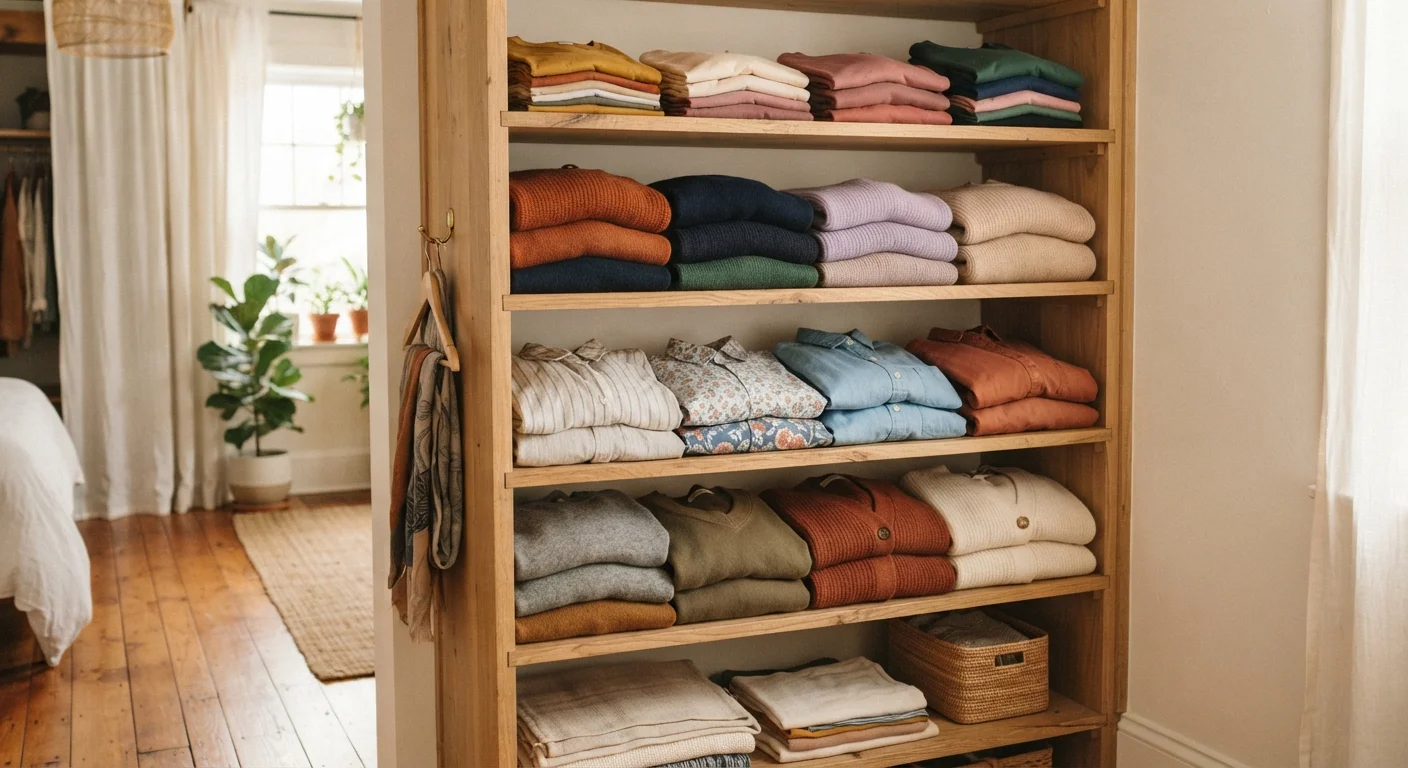
How you store clothes between wears matters almost as much as how you wash them. Knitwear — like sweaters and cardigans — should be folded, not hung. Wire hangers distort shoulder seams on structured jackets; padded or wooden hangers distribute weight more evenly. Overcrowded closets cause permanent creasing and prevent garments from airing out properly.
Moth damage is a real risk for natural fibers like wool and cashmere. Cedar blocks or lavender sachets can deter moths without the chemical residue of mothballs. For seasonal storage, breathable cotton garment bags outperform plastic, which traps moisture.
Small repairs are worth addressing immediately. A loose button that costs five minutes to resew today can pull threads and damage surrounding fabric if left until next season. Similarly, a tiny seam split caught early is a simple hand-stitch fix; ignored, it can unravel into something that requires professional tailoring — or relegates the piece to the donate pile. Speaking of tailoring, our piece on when tailoring is worth it is a helpful companion read.
Steam Is Gentler Than Ironing
When clothes need freshening or wrinkle removal, a handheld steamer is generally easier on fabric than a hot iron pressed directly onto the surface. Steam relaxes fibers without the direct heat contact that can scorch or flatten delicate textures. It's also faster for hanging garments — no ironing board required.
Caring for what you own also makes a strong case for buying fewer, more versatile pieces to begin with. See how getting more outfits from fewer pieces pairs naturally with a care-first mindset — and how wardrobe essentials that earn their place across every season helps you decide which garments deserve the most attention.