Key Takeaways
Our Verdict
Both originality and the restomod approach have genuine merit within the classic car hobby. Originality serves those who value historical preservation, documentation, and participation in judged events, while restomods appeal to owners who want a reliable, modern-driving experience wrapped in a classic body. The vehicle's rarity, your intended use, and personal priorities should guide which path makes sense.
| Best for | Recommended |
|---|---|
| Collectors focused on historical accuracy and judged shows | Keeping original factory specification |
| Enthusiasts who want to drive regularly without mechanical anxiety | Restomod build |
| Owners of rare or numbers-matching vehicles | Keeping original factory specification |
| Those building a personal-use project on a realistic budget | Restomod build |
The Heart of the Debate
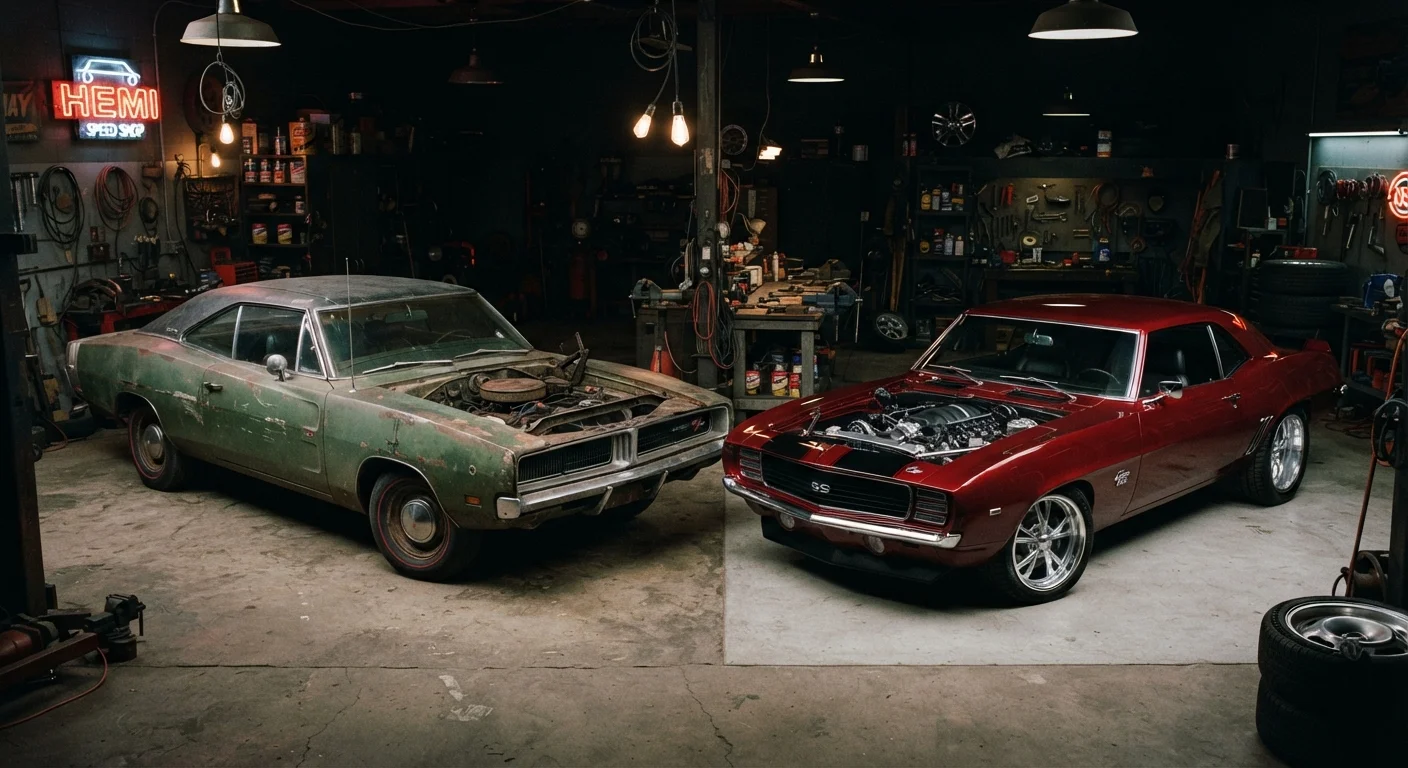
Few conversations in the classic car hobby generate more spirited discussion than originality versus the restomod - a vehicle rebuilt with modern mechanical components beneath a period-correct or lightly modified exterior. Understanding what qualifies a vehicle as a classic is itself a layered question, and the originality debate adds another dimension on top of it.
At its core, this debate is about values: Is a classic car primarily a historical artifact to be preserved, or a driving experience to be enjoyed and adapted? Both camps make legitimate arguments, and the answer shifts considerably depending on the vehicle in question, its rarity, and what the owner expects from it.
| Keeping It Original | Restomod Build | |
|---|---|---|
| Historical authenticity | Fully preserved | Partially or fully modified |
| Collector and auction value | Generally higher for rare vehicles | Varies; rarely exceeds original |
| Daily drivability | Requires mechanical comfort and patience | Significantly improved |
| Show eligibility | Concours and judged events | Restomod-specific or open classes |
| Ongoing maintenance complexity | Higher; period-correct parts needed | Lower; modern parts more available |
| Reversibility | No modification to reverse | Difficult to fully undo |
The Case for Keeping It Original
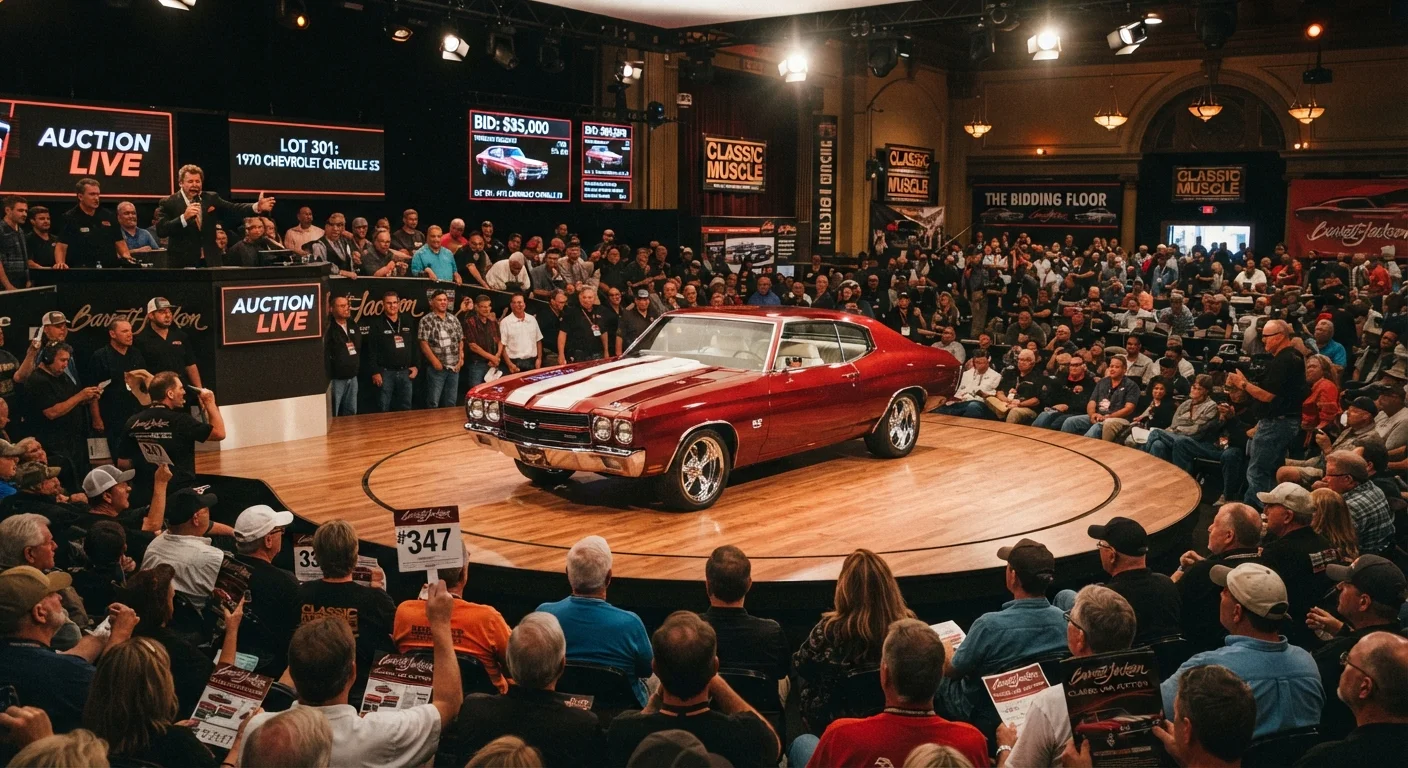
Proponents of originality argue that a classic car's value - historical, cultural, and financial - is inseparable from its factory specification. Matching-numbers vehicles, meaning those where the engine, transmission, and major components retain their original stamped or cast identifiers, command significant attention in collector circles. As explored in common misconceptions about classic car values, matching numbers genuinely matter in specific contexts, particularly for high-profile muscle cars, limited-production models, and concours judging.
Beyond financial considerations, originality enthusiasts contend that modifying a classic erases irreplaceable history. A factory-equipped car tells a specific story about the engineering priorities, materials, and manufacturing practices of its era. Once an original drivetrain is replaced, that story becomes harder to read.
Preserve Documentation Before Any Modification
If you're considering a restomod build, thoroughly photograph and document all original components before removal. Store displaced original parts where possible - original drivetrain components preserved alongside a modified vehicle retain historical value and give future owners options. This documentation habit also supports insurance and valuation conversations.
Documented originality - factory build sheets, window stickers, and service records - substantially strengthens a vehicle's provenance and is increasingly valued in the market.
The Case for the Restomod Approach
Restomod builders counter that a car sitting in a garage, too fragile or unreliable to drive, serves no one. Their philosophy centers on enjoying the classic aesthetic while eliminating the mechanical inconveniences that made older vehicles genuinely difficult to live with: vapor lock, drum brakes requiring more pedal effort, carburetors that need constant adjustment, and drum brakes that fade under repeated use.
Common restomod upgrades include fuel injection conversions, disc brake installations, modern suspension geometry, and overdrive transmissions that reduce highway engine strain. For those interested in the full picture of classic car ownership costs and rewards, reliability improvements can meaningfully reduce ongoing maintenance expenses and the anxiety of a long-distance drive.
Restomods also open the hobby to owners who lack decades of mechanical experience with older systems. Finding an experienced shop that can source the right components is part of the process - sourcing quality parts for classic vehicles requires its own research regardless of which path you choose.
60%+
Restomod share at major hobby events
Industry observers at events like SEMA note that modified classic builds now represent a substantial share of featured vehicles, reflecting growing restomod interest.
3-5×
Premium for documented matching-numbers cars
Auction results consistently show that verified matching-numbers muscle cars can sell at multiples of comparable vehicles with replaced powertrains.
How to Think About Your Own Vehicle
The right framework starts with honest questions about the car itself and your intentions. A numbers-matching, low-production survivor has different stakes than a common body style with a replaced engine that left the factory decades ago. For the former, modification is a significant and largely irreversible decision. For the latter, the calculus is more personal.
Consider also where you plan to take the vehicle. Concours events and many judged shows score specifically for factory correctness - a restomod, however beautifully executed, competes in different classes or not at all. Cruise nights and open-road events, by contrast, welcome both philosophies without hierarchy.
The comparison extends naturally to restoration philosophy more broadly. The frame-off restoration versus driver-quality preservation decision involves similar trade-offs between investment, usability, and intent. European classics present their own considerations - the engineering philosophies behind European classic vehicles often reflect tighter tolerances and more integrated designs where modification carries additional complexity.
Neither camp in this debate is wrong. The most useful outcome of engaging with it is a clearer sense of what you want from the experience of owning a classic vehicle - and choosing the approach that honestly reflects those priorities.