

Key Takeaways
Truck Duty Classification
Truck duty classifications — light, medium, and heavy duty — describe a vehicle's designed capacity based on its Gross Vehicle Weight Rating (GVWR). GVWR is the maximum total weight a truck can safely operate at, including its own weight plus cargo and passengers. These classifications determine what a truck can legally tow and haul, and they affect registration, licensing, and insurance requirements.
The U.S. Federal Highway Administration divides trucks into Classes 1–8 by GVWR. Light duty covers Classes 1–3 (up to 14,000 lbs GVWR), medium duty covers Classes 4–6, and heavy duty begins at Class 7 (26,001 lbs GVWR and above).
Where the Classifications Come From
The terms "light duty" and "heavy duty" get used loosely in truck advertising, but they have a precise regulatory origin. The U.S. Federal Highway Administration (FHWA) classifies trucks into eight weight classes based on Gross Vehicle Weight Rating (GVWR) — the maximum safe operating weight of a fully loaded vehicle, as specified by the manufacturer.
Understanding how GVWR and other weight ratings work is essential before comparing trucks, because the number on the window sticker reflects engineering limits, not just marketing positioning. The broad duty tiers break down as follows:
- Light duty: Classes 1–3 (GVWR up to 14,000 lbs)
- Medium duty: Classes 4–6 (GVWR from 14,001 to 26,000 lbs)
- Heavy duty: Classes 7–8 (GVWR of 26,001 lbs and above)
Most consumer pickup trucks — including popular half-ton, three-quarter-ton, and one-ton models — sit in Classes 1 through 3, making them light-duty vehicles by federal definition even when marketed as "Heavy Duty."
Classes 1–3
Federal GVWR range for light-duty trucks
The U.S. Federal Highway Administration defines light-duty trucks as those with a GVWR up to 14,000 lbs, covering the vast majority of consumer pickup trucks on American roads.
26,001 lbs
GVWR threshold where heavy duty begins
By FHWA classification, Class 7 trucks — starting at 26,001 lbs GVWR — mark the beginning of true heavy-duty territory, where CDL requirements typically apply.
Class 2b/3
Where most '3/4-ton HD' pickups actually sit
Popular consumer trucks marketed as Heavy Duty — including many diesel-powered 3/4-ton and 1-ton models — fall within FHWA Class 2b or Class 3, well below the federal heavy-duty threshold.
What 'Light Duty' Actually Covers
Class 1 (GVWR up to 6,000 lbs) and Class 2 (up to 10,000 lbs) capture the vast majority of consumer pickup trucks sold in the United States. These vehicles are designed for everyday transportation, light hauling, and moderate recreational towing — think pulling a boat or small travel trailer.
Class 3 trucks (up to 14,000 lbs GVWR) include heavier variants of popular trucks and begin to overlap with what the industry informally calls "heavy-duty" consumer trucks. Despite the marketing label, a three-quarter-ton pickup with a diesel engine is still a Class 2b or 3 vehicle — well within the light-duty federal bracket.
Owning a full-size truck as a daily driver involves real trade-offs in fuel economy and maneuverability. Understanding where that truck sits in the classification system helps calibrate expectations around registration costs and towing capability alike.
Check the Door Jamb Sticker First
Every truck is required to display its GVWR on a label inside the driver's door jamb. This number — not the engine size or the trim name — is your definitive reference for understanding payload capacity and determining which weight class the vehicle occupies. Cross-reference it with your state DMV's requirements before registering a truck for commercial use.
Medium and Heavy Duty: Commercial Territory
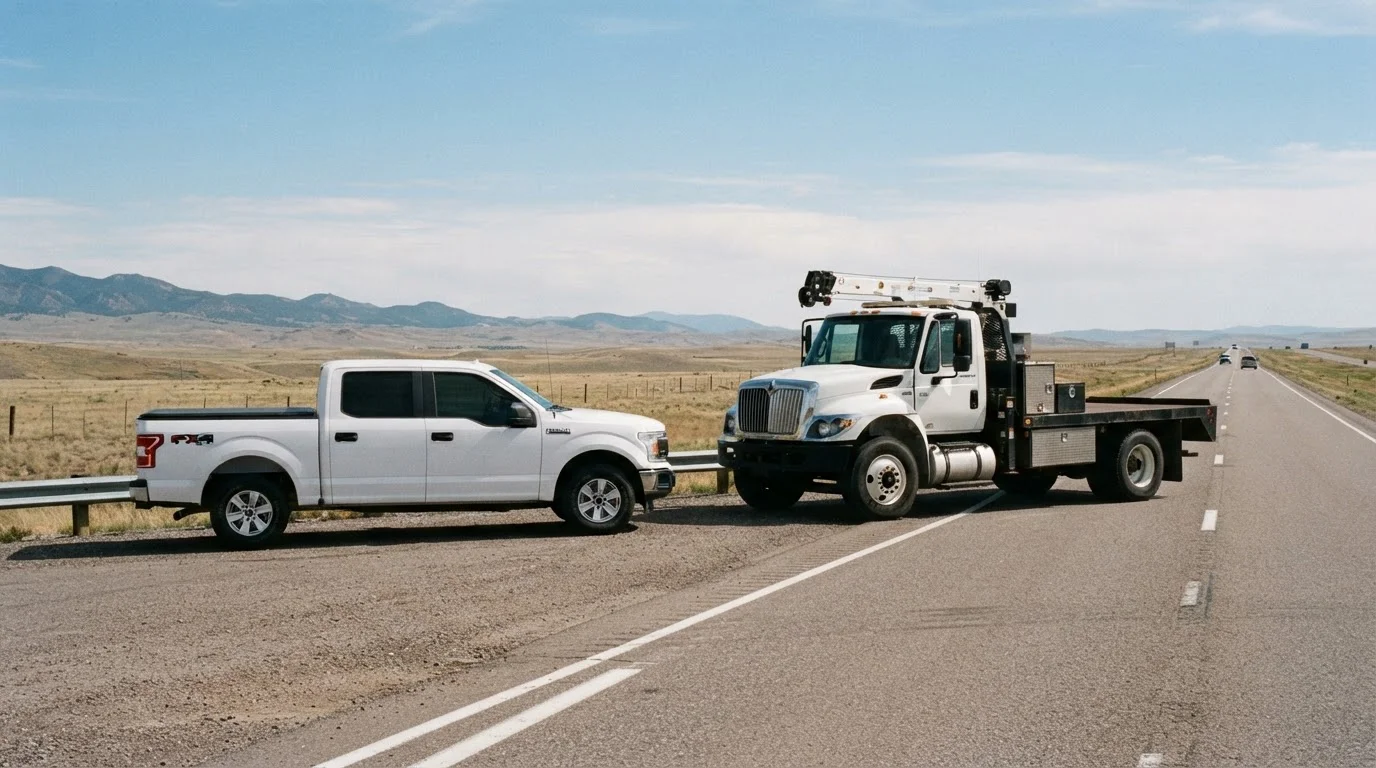
Classes 4 through 6 represent medium-duty trucks. You'll find Class 4 and 5 vehicles in the form of large cab-and-chassis pickups (such as Ford F-450/F-550 or Ram 3500/4500/5500 chassis variants), box trucks, and smaller delivery vehicles. These trucks often require no CDL to operate but carry significantly higher payload ratings and more robust drivetrain components than light-duty counterparts.
Class 7 and 8 trucks are the true heavy-duty commercial vehicles — semi-tractors, large dump trucks, concrete mixers, and refuse trucks. Operating these typically requires a Commercial Driver's License (CDL), and they're subject to different federal and state regulations covering hours of service, emissions standards, and axle weight limits.
Pickup truck configurations and payload ratings matter most in the light-to-medium range, where cab style, bed length, and axle ratio directly influence how much a specific truck can safely carry.
Why the Classification Matters for Real-World Decisions
Truck duty class isn't just a technical footnote — it has direct consequences for registration, insurance, fuel taxes, and licensing. In many states, trucks above a certain GVWR threshold face higher registration fees and annual inspection requirements. Some states also apply commercial vehicle regulations to medium-duty trucks used for business purposes, even when driven by private owners.
For towing specifically, exceeding a truck's rated limits — regardless of whether it physically seems capable — can compromise braking performance, overheat transmission fluid, and void manufacturer warranties. Safety agencies consistently note that overloaded tow vehicles are a contributing factor in serious trailer-related accidents.
If your hauling needs are growing, it may be worth matching your vehicle type to your actual use case more systematically. Matching a vehicle type to how you actually use it provides a practical framework for that decision. Similarly, if you're evaluating large recreational vehicles alongside work trucks, understanding motorhome classifications can clarify what's towing what — and whether your truck is rated to handle it.
This article is for general informational purposes only. Always consult your vehicle's owner's manual, your state's DMV, and a qualified professional before making decisions about towing, hauling, or vehicle operation.